

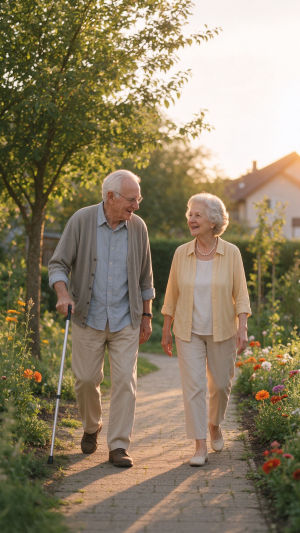
Healthy aging involves maintaining physical abilities, emotional well-being, and meaningful social connections.
For older people with mobility limitations, accessible activities and supportive environments can help preserve independence and quality of life.
<h3>Positive Psychology and Healthy Aging</h3>
Positive psychology emphasizes personal strengths, resilience, meaningful relationships, and a sense of purpose. In later life, this approach encourages individuals to maintain personal interests, recognize their abilities, and participate in experiences that bring satisfaction and enjoyment.
Rather than focusing exclusively on physical changes, positive psychology highlights the importance of emotional fulfillment, confidence, and continued engagement. Companionship, adapted physical activity, and access to natural environments are valuable elements of this approach.
<h3>The Value of Meaningful Relationships</h3>
Social connection plays an important role in psychological well-being throughout later life. Regular interaction with family members, friends, neighbors, and community groups provides opportunities for companionship, emotional reassurance, and shared experiences.
For people with mobility limitations, accessible social activities can help maintain these connections. Conversations, shared meals, family visits, and community gatherings offer meaningful ways to remain involved without requiring demanding physical activities.
Companionship can also encourage healthy routines. Family members and caregivers may provide practical assistance with appointments, transportation, and recreational activities. Effective support should respect personal preferences, encourage participation, and preserve independence.
<h3>Gentle Movement and Emotional Well-Being</h3>
Regular physical activity contributes to healthy aging by supporting mobility, muscle strength, balance, and functional independence. Movement can also benefit psychological well-being by improving mood, supporting sleep quality, and providing a sense of accomplishment.
Physical activities should be adapted to individual abilities and health circumstances. Suitable options may include gentle walking on accessible pathways, supervised balance exercises, seated movements, and appropriately selected strength activities.
Outdoor walking offers additional opportunities to enjoy natural surroundings and interact with others. Accompanied walks can make exercise more enjoyable while providing reassurance and practical support when needed.
Exercise programs should reflect individual mobility, balance, and medical needs. Healthcare professionals and qualified physical therapists can recommend suitable activities, assess functional abilities, and identify appropriate mobility aids.
<h3>Nature as a Source of Well-Being</h3>
Natural environments provide opportunities for relaxation, sensory engagement, and enjoyable everyday experiences. Gardens, parks, and accessible green spaces offer natural light, fresh air, and changing scenery that can enrich daily routines.
Even brief visits to an accessible garden can provide a refreshing experience for individuals who spend much of their time indoors. Observing flowers, listening to birds, and enjoying seasonal changes offer simple ways to engage with the surrounding environment.
Nature-based activities can also encourage curiosity and mental stimulation. Seated gardening, caring for plants, observing wildlife, and creative activities inspired by the outdoors provide opportunities for continued engagement without requiring strenuous movement.
These experiences add variety to daily routines and complement other healthy-aging practices by combining relaxation with enjoyable sensory activities.
<h3>Supporting Cognitive and Emotional Health</h3>
Cognitive and emotional well-being benefit from regular engagement in activities that stimulate the mind and provide personal satisfaction. Reading, listening to music, learning new skills, creative hobbies, and meaningful conversations offer opportunities to exercise attention, memory, language, and problem-solving abilities.
The World Health Organization defines healthy aging as follows: “Healthy ageing is the process of developing and maintaining the functional ability that enables wellbeing in older age.”
A sense of purpose is equally important. Continuing familiar interests, developing new hobbies, and participating in family or community activities can strengthen confidence and reinforce personal identity.
Daily routines that balance physical activity, social interaction, relaxation, and adequate sleep also contribute to overall well-being. Individualized healthcare support can help address changing needs and provide appropriate guidance for maintaining cognitive and psychological function.
<h3>Designing Accessible Everyday Environments</h3>
An inclusive physical environment makes it easier for people with mobility limitations to participate in activities and maintain independence. Accessible pathways, stable seating, suitable lighting, handrails, and convenient resting areas can improve comfort and make community spaces easier to navigate.
Families and caregivers can encourage participation by selecting appropriate locations, planning manageable activities, and allowing sufficient time for movement. Personal interests should guide these decisions so that activities remain enjoyable and meaningful.
Healthcare professionals can further support independence through mobility assessments, rehabilitation programs, and recommendations for suitable assistive equipment. These measures help individuals participate more confidently in everyday activities while maintaining their preferred level of independence.
<h3>Embracing Positive Aging</h3>
Healthy aging is supported by meaningful relationships, appropriate physical activity, accessible environments, and opportunities for personal fulfillment. Companionship encourages social connection, gentle movement supports physical and emotional well-being, and contact with nature adds enjoyment and variety to everyday life.
By incorporating these elements into daily routines, older people with mobility limitations can maintain a stronger sense of independence, purpose, and participation. Ultimately, positive aging is about preserving the opportunity to enjoy meaningful experiences, nurture relationships, and maintain quality of life throughout later life.


