

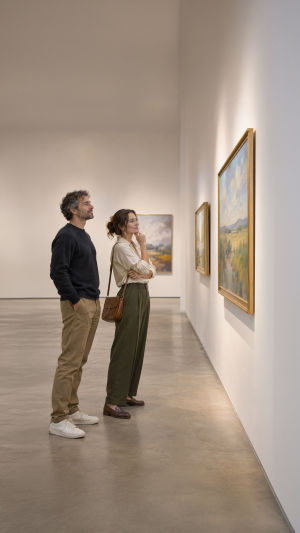
A visit to an art gallery can be more than a pleasant way to spend an afternoon. Taking time to look closely at paintings, sculptures and other original works may also support emotional and physical wellbeing.
Research highlighted in a recent report suggests that regular contact with art could be a useful addition to everyday healthy habits. The idea is simple: setting aside around 60 minutes each month to experience art in person may offer benefits that go beyond cultural enjoyment.
<h3>Why Make Time for Art?</h3>
Most people are familiar with everyday health recommendations such as staying active, eating a balanced diet and spending time outdoors. Art is less commonly discussed in the same context, but researchers are increasingly examining how cultural activities relate to health.
A report from the Art Fund charity presents the idea of a recommended dose of art, encouraging people to make regular visits to museums and galleries. Its suggested starting point is at least one hour each month. The goal is not to become an art expert or understand every detail of an exhibition. Instead, it is to make time for meaningful experiences with creative work.
Professor Daisy Fancourt, a psychobiology and epidemiology researcher at University College London, contributed the report's foreword. She has also written about the relationship between the arts and health. Her central point is that regular engagement with art can contribute to people's overall wellbeing.
<h3>What Research Says About Mental Health</h3>
One reason this recommendation has attracted attention is the connection between cultural participation and mental health. A study published in the British Journal of Psychiatry examined information from 2,148 participants in the English Longitudinal Study of Ageing.
The research found that people who attended museums, theatres or cinemas once a month had a 48% lower risk of depression than those who did not take part in these activities as regularly. This result suggests a meaningful association between cultural engagement and mental wellbeing.
<h3>Original Art and the Experience of Looking</h3>
Another study, published in the journal Brain, Behavior, and Immunity, examined how people responded physically to viewing authentic artworks. Researchers compared the experience of seeing original pieces in a gallery with viewing reproductions of the same works in a laboratory.
The study reported evidence that viewing original art was associated with biological processes connected to stress reduction and immune regulation. The positive effects described in the research were not observed in the same way when participants viewed reproductions.
This distinction is worth considering. Digital images and printed copies can make art widely accessible, but seeing an original work offers a different experience. Visitors can observe its scale, surface, materials and finer details directly. The surrounding gallery environment may also encourage people to slow down and give the work their full attention.
<h3>Making a Gallery Visit Part of Your Routine</h3>
The suggested monthly hour does not need to become another demanding task. A short, relaxed visit is a practical way to begin. Choose an exhibition that genuinely interests you, rather than feeling obliged to see a famous collection or understand a particular artistic movement.
During the visit, take your time with a few pieces. Notice the colours, shapes, materials and details that catch your attention. Consider how a work makes you feel or what questions it raises. There is no requirement to reach a particular interpretation. It can also help to visit with a friend, although going alone may offer a quieter opportunity to concentrate. The important part is making the experience regular and enjoyable rather than treating it as a test of knowledge.
Art cannot replace exercise, balanced meals, medical support or other foundations of good health. However, research suggests that regular cultural experiences may contribute to wellbeing in their own way. An hour in a gallery each month is a modest commitment that can create space for curiosity, reflection and a break from daily demands.
The most useful approach is to choose art that interests you and make room for it consistently. You do not need specialist knowledge or a complicated plan. Sometimes, simply spending time with an original work and giving it your attention is a worthwhile place to start.


