

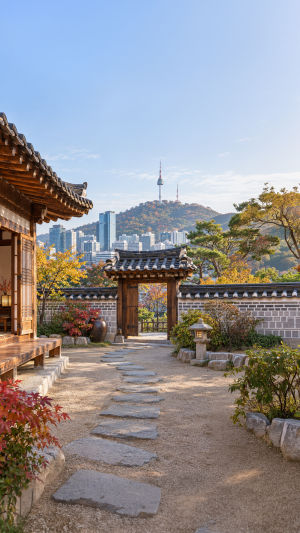
South Korea is relatively easy to navigate, whether you want to spend a few days in Seoul, visit historic cities or travel towards the coast. Its transport network connects major destinations efficiently, and many public signs include English translations.
Still, a little preparation can make the difference between a smooth holiday and a trip spent working out tickets, routes and schedules. From choosing the right season to understanding local transport, here are practical details to consider before setting off.
<h3>How Long Should You Spend in South Korea?</h3>
For a first visit, seven nights is a reasonable starting point. This gives you time to experience Seoul, visit Gyeongju, continue to Busan and potentially include Jeju Island if your connections work well. If you can spare two weeks, the journey becomes more relaxed. You could add a national park such as Seoraksan, visit islands near Mokpo or include smaller cities that receive fewer international visitors.
<h3>When Is the Best Time to Visit?</h3>
Spring and autumn are generally the most comfortable seasons for sightseeing. April to early June and September to early November usually bring mild temperatures, with typical daytime highs between 15°C and 25°C. Rainfall is also relatively low during these periods.
Summer can be challenging for visitors who prefer cooler weather. Temperatures may reach 35°C, humidity is high and heavy rainfall can affect outdoor plans. If you travel between June and August, allow some flexibility in your schedule and prepare for hot conditions. Winter is usually drier, but temperatures can fall to around -15°C or lower. Warm clothing and suitable footwear are important, especially if you plan to spend long periods outdoors.
South Korea
<h3>Arriving and Getting Around</h3>
Most international visitors arrive through Incheon International Airport near Seoul. From the airport, you can reach the capital using airport trains or limousine buses. The train connects with Seoul Station, while buses provide direct services to destinations around the country. Once in Seoul, the subway is one of the easiest ways to travel. Stations and major signs commonly include English translations, making the network manageable for visitors unfamiliar with the local language.
For an ordinary journey within the basic distance range, Seoul subway fares are approximately €1.05 with a transport card. A standard city bus journey costs around €1.02. Longer journeys may cost more, and fares can change. Keeping some balance on your transport card makes everyday travel easier.
SOUTH KOREA TRAVEL (2026) | Top Places To Visit In South Korea (+ Itineraries & Travel Tips)
<h3>Travel Between Major Cities</h3>
South Korea's transport network makes it practical to visit several destinations during one holiday. Trains are a convenient choice for longer journeys, while express and intercity buses provide alternatives for routes not covered as directly by rail. A useful first-time route is Seoul to Gyeongju, followed by Busan. Gyeongju offers a different pace from the capital, while Busan provides a coastal setting and a large urban centre.
<h3>Language and Everyday Communication</h3>
Korean is the main language, and its writing system is called hangeul. Visitors do not need to become fluent before arriving, but learning a few basic expressions can make everyday interactions more comfortable. English is commonly understood in many tourist areas, particularly among younger residents. Major subway and street signs often include English, while bus and train announcements frequently provide translations.
<h3>Local Etiquette to Keep in Mind</h3>
A little awareness of local habits helps visitors feel more comfortable. Some restaurants and guesthouses ask customers to remove their shoes before entering. If footwear is left near the entrance, check whether you are expected to do the same. When eating, use chopsticks carefully and avoid pointing with them. It is also considerate to keep your voice at a comfortable level in shared public spaces and follow any instructions displayed at accommodation or attractions.
A successful South Korea itinerary starts with realistic timing and a little knowledge of the transport system. Plan a route that gives each city enough time, check entry requirements before departure and keep a rechargeable transport card ready for local journeys. With those basics arranged, you can spend less time handling logistics and more time enjoying the places you visit.


