

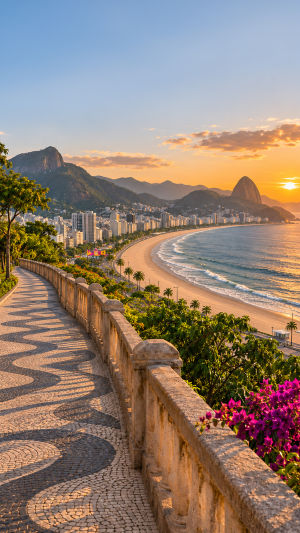
Choosing when to visit Brazil depends on more than checking the weather forecast. The country covers a huge area, and its coastal cities, rainforest regions and southern destinations experience different seasonal conditions.
A month that works well for a beach holiday may not be ideal for exploring the Amazon. Understanding the differences between regions can help you choose travel dates that suit your plans, avoid unnecessary crowds and make better use of your budget.
<h3>October and November: A Comfortable Time to Travel</h3>
October and November are appealing months for visitors who want pleasant temperatures without the busiest summer holiday crowds. Across many popular destinations, temperatures are generally around 21–27°C, although local conditions vary. October marks the end of the drier period in parts of the country, while November brings increasing humidity and rainfall.
Rio de Janeiro is one option for travelers interested in combining coastal scenery with city attractions. Visitors can also consider other destinations in the southeast, where spring conditions provide a comfortable setting for sightseeing.
Brazil
<h3>December to March: The Main Beach Season</h3>
Brazil's summer falls between December and March, making this period popular for coastal holidays. Temperatures commonly reach around 27–29°C, with hotter conditions in northern areas. With thousands of kilometres of coastline, travelers have plenty of choices. Rio de Janeiro attracts large numbers of visitors during summer, particularly around its well-known beaches. For a different setting, Florianópolis offers long stretches of sand and coastal scenery farther south.
The northeastern coast is generally hotter during this period. Destinations in Bahia and Ceará can experience average daytime highs of approximately 31–32°C, making them attractive to visitors who enjoy warm beach conditions. However, summer also brings larger crowds and higher accommodation demand. December and January coincide with school holidays, so popular destinations can become busy.
Best Time to Visit Brazil: Make the Most of Your Trip
<h3>February and March: Hot Weather and Seasonal Celebrations</h3>
February and March remain hot and humid in many parts of Brazil, with temperatures sometimes exceeding 32°C. Rainfall can also be frequent, particularly in areas affected by the summer wet season. Travelers interested in experiencing the country's major seasonal celebrations may consider this period. The dates of Carnaval vary each year, generally falling in February or early March. Rio de Janeiro is especially well known for its large public festivities, while other cities hold their own events.
<h3>July to December: A Good Window for the Amazon</h3>
The Amazon has its own seasonal pattern, so planning a visit requires a different approach from choosing dates for a coastal holiday. July through December is generally considered the more favourable period for exploring the rainforest. From July to September, conditions are relatively cooler and drier. Trails can be easier to access, while lower river levels may make certain routes more suitable for boat journeys. October to December becomes increasingly humid, and rainfall starts to build again.
It is important to remember that the Amazon remains a rainforest, even during its drier months. Rain can occur throughout the year, so visitors should prepare for changing conditions rather than expect completely dry weather. For travelers planning hiking or river excursions, checking local conditions and arranging activities with experienced operators can help make the journey more comfortable.
<h3>May to September: Quieter Beaches and Mild Weather</h3>
Brazil's cooler season runs broadly from May to September. Temperatures vary considerably by location, generally ranging from around 5–21°C in some southern areas to much warmer conditions in the north. This period is useful for visitors who prefer fewer beach crowds and more relaxed travel conditions. Many coastal destinations become quieter after the summer holiday rush, and accommodation rates may be more attractive outside school breaks.
The southern regions can feel noticeably cooler, with cloudy or damp days making swimming less appealing. Travelers who still want warm weather may prefer destinations farther north, where temperatures remain more consistent. July is an exception to the quieter-season pattern because school holidays can bring more families to popular destinations.
<h3>How Seasonal Changes Affect Your Budget</h3>
Travel costs in Brazil depend heavily on the destination and time of year. December to March is generally the more expensive period for popular coastal locations, while May to September can offer better accommodation rates in many beach destinations. Carnaval is another period when demand can rise sharply, affecting flights and hotels.
Brazil offers worthwhile travel opportunities throughout the year, but the right season depends on your destination. Planning around regional weather and seasonal demand will help you build a more enjoyable trip.


