

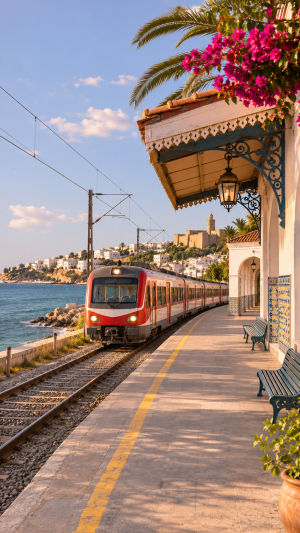
Tunisia offers several ways to travel between its coastal cities, inland towns and southern landscapes. Comfortable buses, inexpensive trains and shared minibuses make many journeys manageable without renting a vehicle.
However, transport options become less frequent in remote areas, so choosing the right route can make a significant difference to your travel plans.
<h3>Buses Are a Convenient Choice for Long Journeys</h3>
For many visitors, buses are one of the simplest ways to travel around Tunisia. The national operator, Société Nationale de Transport Interurbain (SNTRI), connects Tunis with destinations such as Bizerte, Kairouan, Sousse, Hammamet, El Jem and Teboursouk. Its air-conditioned coaches offer a practical option for travelers who want to reach different parts of the country without driving.
Regional bus companies also serve smaller destinations around major cities. If your journey begins on Djerba, services connect Houmt Souk with places including Sousse, Gabès and Sfax.
Bus fares are generally affordable. A Tunis–Sousse journey is estimated at around €3–€3.25 one way, based on a published fare range. Prices and schedules can change, so check the latest information before departure.
Tunisia
<h3>Train Travel Offers Scenic Routes</h3>
Tunisia's railway network is particularly useful in the northern part of the country and along the Mediterranean coast. Trains connect Tunis with Sousse, Sfax and Gabès, while branch routes serve destinations including Nabeul, Bizerte and Tozeur. Rail travel can be inexpensive, although it is not always the fastest or most predictable option. Delays may affect long-distance services, and the condition of trains can vary. Travelers with flexible schedules may enjoy the slower pace and views along the way.
There are different seating classes. First class generally offers more space and a more comfortable journey, while second class is a budget-friendly alternative. Some services also provide a comfort class with wider seating. For an example of the cost, the published second-class fare from Tunis to Sousse is approximately €2.70 one way.
<h3>Louages Make Shorter Connections Easier</h3>
Louages are shared minibuses that operate between towns and cities. They are popular with local passengers and visitors because they offer an inexpensive alternative to scheduled coaches and trains. Unlike regular buses, louages generally leave when all available seats are occupied.
The vehicles use different color markings to indicate their service areas. Red markings identify longer-distance journeys between regions, while blue and yellow markings are used for regional and local routes. A seat on the Tunis–Sousse route typically costs around €3.60–€3.90, based on reported fares.
<h3>Domestic Flights Can Save Time</h3>
Traveling from the north to the far south by road or rail can take several hours. Domestic flights provide an alternative when time is limited, particularly for visitors planning to include both Tunis and Djerba in one itinerary. Tunisair Express operates domestic connections linking Tunis with destinations such as Sfax and Djerba. Flights between Tunis and Tozeur are also available, although services are less frequent.
<h3>Renting a Car Gives You More Flexibility</h3>
A rental car is useful for travelers who want to visit several places at their own pace. Rental agencies operate at international airports and in major cities, making it relatively straightforward to arrange a vehicle. Tunisia's main roads are generally well maintained, and road signs use English and Arabic alongside distance measurements in kilometers. Automatic cars are available, although they usually cost more than manual vehicles.
Best Tips for Your First Trip to Tunisia | What to Know Before You Go!
<h3>Plan Carefully for Southern Tunisia</h3>
The southern part of Tunisia offers a different travel experience from the better-connected northern cities. Tozeur and Douz are useful starting points for journeys around the Chott el Djerid salt flats and nearby desert landscapes. Tunis to Tozeur takes approximately six hours by car. Visitors can also reach the area by bus, train or domestic flight.
<h3>Getting Around Cities and Reaching Islands</h3>
Yellow taxis are widely used for local journeys. Most are metered, but travelers should check that the meter is running or agree on a fare before setting off. Ride-hailing applications are also available in larger cities, including Tunis and Sousse. Ferries provide another useful connection. Djerba is linked to the mainland by a causeway, while a short car-ferry crossing operates between El Jorf and Ajim. The journey takes approximately 15 minutes.
Traveling around Tunisia is manageable when you match each transport option to the distance and type of journey. A flexible itinerary will make it easier to enjoy both Tunisia's busy cities and its quieter landscapes.


