

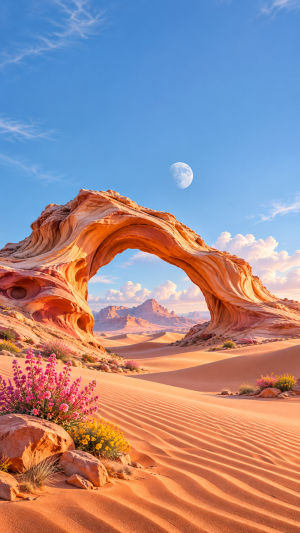
Hello, friends. A desert trip looks simple on paper: open space, big sky, nothing to get in your way.
Then the afternoon sun hits and you realize the empty map was never the problem. The heat, the distance between water, and the quiet of a place with no cell signal are the real test. Get a few habits right and the desert becomes one of the calmest places you'll ever travel through.
<h3>Water is a plan, not a bottle</h3>
Most people pack one bottle and call it done. Do not just count bottles; count days and distance. A common working figure is 4 liters per person per day in moderate desert heat, and closer to 6 liters if you're hiking or driving long stretches. Carry it in more than one container so a single leak doesn't cost you everything. On a route like the drive from Moab, Utah, into Canyonlands, the nearest reliable refill can be an hour or more behind you, so top up every time you pass a town or visitor center, even if you feel fine.
Canyonlands National Park
<h3>Cover up before you burn</h3>
Sunscreen alone won't carry you through a full day out there. Long sleeves, a wide-brim hat, and sunglasses with real UV blocking do more work than a high SPF lotion you forget to reapply. The UV index in places like Death Valley regularly climbs past 10 by late morning, which means exposed skin can redden in under 20 minutes. Reapply sunscreen every two hours on anything still showing, and remember the back of your neck and the tops of your ears- the two spots people miss most.
<h3>Pick a route you can reverse</h3>
A desert route should be something you could drive back out of in the dark if you had to. That means telling someone your exact plan, including your turnaround time, and sticking to marked roads unless you have real off-road experience. In Joshua Tree, California, the main paved roads are straightforward, but the dirt tracks branching off them are where rental cars get stuck. Download offline maps before you leave signal range, because a phone with no reception is just a camera.
<h3>Watch the clock, not the view</h3>
The desert rewards early starts and punishes late finishes. Aim to be back at your base by mid-afternoon, when heat peaks and shade disappears. If you're hiking, plan to finish before the hottest part of the day and carry a headlamp in case a trail takes longer than expected. A short walk at 7 a.m. in Saguaro National Park, Arizona feels nothing like the same walk at 2 p.m., and the difference is not just comfort; it's safety.
<h3>Read the small warning signs</h3>
Your body will tell you about heat trouble before it becomes serious. Watch for a headache, dizziness, or the strange moment when you stop sweating while still hot, and treat any of those as a signal to get into shade and drink water with a little salt. Know the local wildlife too. In the Sonoran Desert, rattlesnakes are most active around dawn and dusk, so watch where you put your hands and feet when scrambling over rocks.
The desert doesn't ask for much, just that you respect the basics. Carry more water than feels reasonable, cover your skin, and leave yourself a route you can undo. Next time you're standing at a trailhead with the sun already high, remember that the calmest travelers out there are the ones who planned for the heat before it arrived.


