

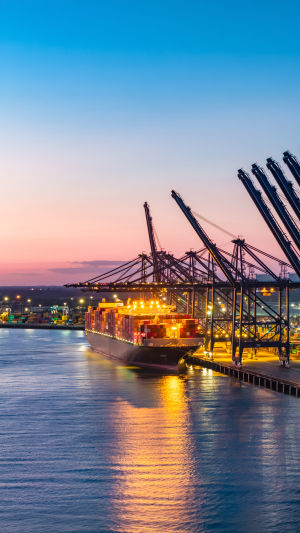
The European Union is considering a new trade-defence mechanism designed to respond more quickly when external trade practices create serious disruption for its internal market.
The discussion comes as the EU faces a substantial trade imbalance with China and increased competition from lower-priced imported products. For European manufacturers, the issue involves more than import volumes. Pricing pressure, production capacity, investment decisions, and access to customers all influence the long-term competitiveness of domestic industries.
<h3>Why the EU Is Considering a New Trade Mechanism</h3>
The EU's goods trade deficit with China has reached approximately €1 billion per day. At the same time, Chinese imports into the European market increased by 25% over the previous year, according to Chinese customs figures cited in the reporting. A large trade deficit does not automatically indicate unfair competition. Differences in production costs, consumer demand, industrial capacity, and purchasing patterns can all influence trade balances.
However, European manufacturers have raised concerns about competing with imported products when market conditions are affected by subsidies, excess production capacity, or unequal access to markets. The proposed instrument is intended to provide a faster response when trade-related actions create serious economic disruption. Rather than relying exclusively on lengthy investigations and individual product restrictions, the mechanism could offer a broader emergency option.
<h3>How the Proposed Kill Switch Could Work</h3>
The proposed mechanism would allow the EU to respond more rapidly to serious market disruptions. Depending on the final design, possible measures could include limiting certain imports or exports and restricting access to parts of the European single market. The instrument is expected to be designed for use across different countries rather than targeting one particular trading partner by name. This approach would make the rules dependent on the conduct and economic impact being assessed.
<h3>Manufacturing Industries Face Greater Competition</h3>
European producers in chemicals, machinery, and other industrial sectors are among the businesses concerned about rising import competition. These industries often require substantial investment in equipment, research, energy, and skilled labour.
When imported products enter the market at significantly lower prices, domestic manufacturers may struggle to maintain profit margins. Persistent pressure can discourage investment, reduce production capacity, and make long-term planning more difficult. Trade-defence measures are intended to address specific market distortions rather than prevent ordinary international competition. Investigations into subsidies or unfair pricing can provide a basis for targeted duties or other restrictions when the relevant conditions are established.
<h3>Supply-Chain Security Becomes More Important</h3>
The discussion also highlights the importance of reducing excessive dependence on a limited number of suppliers. European manufacturers may rely on external sources for chemicals, machinery components, and other industrial inputs. A disruption affecting one major supplier can delay production, increase procurement costs, and create shortages.
Diversifying suppliers across several markets can reduce this exposure, although establishing alternative production and logistics arrangements requires time and investment. A separate diversification initiative is expected to focus on identifying strategic supply-chain dependencies. This is different from the proposed emergency trade mechanism: one addresses vulnerability before disruption occurs, while the other is intended to provide a response when serious problems arise.
<h3>Expert Insight</h3>
Maroš Šefčovič, the European Commissioner for Trade, explained the intended advantage of the proposed mechanism when discussing the initiative with members of the European Parliament: “to react much faster, even by limiting the exports into the European Union.”
<h3>What Businesses Should Monitor</h3>
Companies operating in international supply chains will need to follow the development of the proposal and its eventual legal framework. Importers may need to review supplier concentration, alternative sourcing arrangements, and exposure to potential trade restrictions.
Manufacturers should also assess how changes in import conditions could affect production costs and access to essential components. Businesses exporting to the EU may need to pay closer attention to future market-access requirements. The European Commission has indicated that it aims to present the instrument by the end of 2026. Until the proposal is formally published and adopted, its precise scope and practical effects remain uncertain.
The EU's proposed emergency trade mechanism reflects growing concern about market disruption, industrial competitiveness, and supply-chain dependence. The final impact will depend on the instrument's legal design, activation criteria, and safeguards. For businesses, the key priorities remain monitoring regulatory developments, maintaining flexible supply chains, and preparin


