

Fruit and vegetable parts commonly removed during food preparation may contain valuable nutrients that often end up in household waste. Peels, stalks, seeds and cores can provide considerable amounts of dietary fibre, making them useful additions to everyday meals.
Researchers from King's College London are encouraging a practical approach known as root-to-tip eating, which uses more of each plant rather than discarding edible sections. The idea could offer two benefits at once: improving fibre intake and reducing food waste.
<h3>Why Dietary Fibre Deserves More Attention</h3>
Fibre is a type of carbohydrate that the body cannot fully digest. Instead of being broken down like many other carbohydrates, it moves through the digestive system and supports several important processes. Some forms of fibre absorb water and help maintain regular bowel movements, while others are fermented by beneficial gut bacteria. This fermentation produces short-chain fatty acids, compounds involved in maintaining the intestinal environment.
A fibre-rich eating pattern can also help people feel satisfied for longer. Research has linked adequate fibre consumption with a lower likelihood of certain long-term health problems, including cardiovascular disease and bowel cancer. Despite these benefits, UK dietary survey figures cited by the researchers indicate that only 4% of adults reach the recommended daily intake of 30 grams. Making greater use of edible plant parts could provide a convenient way to improve everyday consumption.
<h3>Which Discarded Parts Contain More Fibre?</h3>
Researchers at King's College London examined 12 fresh plant foods, including beetroot, bell peppers, broccoli, butternut squash, cauliflower, kale, kiwi, leeks, pineapple and watermelon. Their analysis found that several commonly discarded sections contained substantial amounts of fibre. Watermelon rind provided approximately 2.10 grams per 100 grams, while butternut squash skin and seeds contained around 9.25 grams per 100 grams.
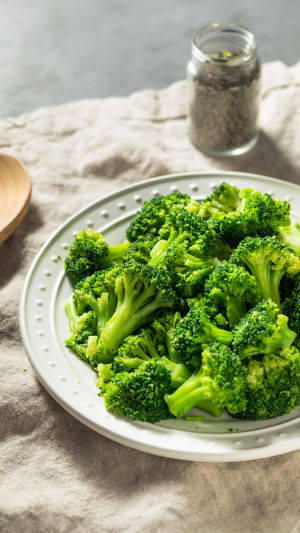
Pineapple skin and core contained approximately five times as much fibre as the edible flesh. Broccoli stalks also supplied fibre, although their measured amount was slightly lower than that of the florets. Fruit skins can offer additional nutritional value too. Eating kiwi with its skin, for example, provides around 50% more fibre than eating the peeled fruit.
<h3>How Root-to-Tip Eating Can Work at Home</h3>
Using more of each fruit or vegetable does not require complicated recipes. Small adjustments during food preparation can make a meaningful difference over time. Broccoli stalks can be peeled, finely chopped and added to soups or stir-fries. Bell pepper seeds can be included in suitable cooked dishes, while pineapple cores can be blended into smoothies to make use of their tougher texture.
Kiwi fruit can be eaten with its skin after thorough washing. Butternut squash skin and seeds can also be incorporated into meals when prepared appropriately. Some plant sections need extra preparation to improve their texture. Tough stalks may benefit from steaming or chopping, while harder pieces can be cooked until sufficiently tender.
<h3>Cooking Methods and Nutritional Value</h3>
Cooking does not automatically eliminate the fibre contained in vegetables. However, preparation methods can influence texture and the availability of other nutrients. Steaming, microwaving and quick sautéing are practical options because they generally require less cooking time and water than prolonged boiling. Softer cooking methods can also make tougher plant sections easier to eat.
Blending is another useful technique, particularly for ingredients such as pineapple cores. It can make fibrous sections easier to incorporate into drinks and soups without removing their entire nutritional contribution.
<h3>Expert Insight</h3>
Dr Rachel Gibson, project lead from King's College London, highlighted the financial and nutritional consequences of discarding edible plant sections. Speaking to the BBC, she stated: "This isn't just a nutritional loss, it's also a financial one - you're effectively throwing away a substantial portion of what you've paid for."
<h3>Important Safety Considerations</h3>
Not every part of a plant is suitable for consumption. Green potatoes and rhubarb leaves contain naturally occurring toxic compounds and should be avoided. Tough seeds and stalks may also create choking risks for young children. Produce should be cleaned carefully, particularly when skins are eaten. People with irritable bowel syndrome or other digestive sensitivities may need to introduce additional fibre slowly and choose ingredients that are comfortable to tolerate.
Fruit and vegetable scraps can be valuable sources of dietary fibre rather than automatic household waste. Research from King's College London found that watermelon rind, pineapple cores, squash skin and seeds, and broccoli stalks all contain useful amounts
Root-to-tip eating offers a practical way to make meals more resourceful while supporting fibre intake. With suitable washing, preparation and gradual dietary changes, more edible plant sections can become part of everyday cooking.


