

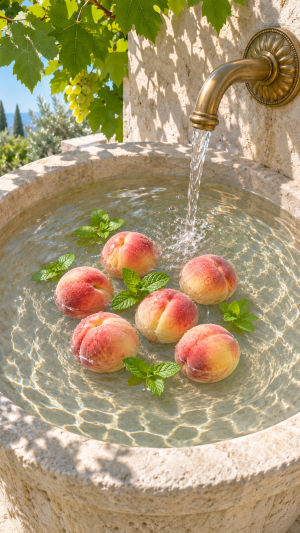
Peaches are juicy, flavorful fruits that are delicious on their own or added to desserts, breakfast dishes, and homemade snacks.
Ripe peaches can soften quickly before you have time to eat them. Whether you bring home a small batch or have more peaches than you can eat fresh, choosing a storage method based on ripeness can help reduce waste.
<h3>1. Store Unripe Peaches at Room Temperature</h3>
If your peaches are still firm, let them ripen at room temperature. Place them in a cool, shaded, and well-ventilated area, away from direct sunlight and heat sources.
Arrange the peaches in a single layer whenever possible. Avoid stacking them because pressure can cause bruises.
Check them daily by gently touching the fruit. When a peach becomes slightly soft and develops a sweet aroma, it is generally ready to enjoy. Depending on their initial ripeness and room conditions, peaches may stay in good condition for approximately three to five days.
<h3>2. Refrigerate Ripe Peaches</h3>
Once peaches have reached your preferred level of ripeness, refrigeration can slow down further softening. This is especially useful when you cannot eat all the fruit immediately.
Check each peach for bruises or damaged areas before storing it. Place the fruit in the refrigerator's fruit and vegetable compartment. A breathable produce bag or suitable container can protect the peaches while allowing some air circulation.
Keep the fruit dry before refrigeration. It is better to wash peaches shortly before eating rather than immediately after bringing them home, as excess surface moisture can encourage spoilage.
<h3>3. Freeze Peaches for Longer Storage</h3>
Freeze peaches when you have more than you can enjoy fresh. Frozen pieces work well in smoothies, baked desserts, fruit sauces, and other dishes.
Start by washing the peaches and drying them thoroughly. Remove the skin if desired, cut each peach in half, and take out the pit. Slice the flesh into evenly sized pieces.
Spread the slices across a tray in a single layer and freeze until firm. This prevents them from sticking together. Transfer the frozen pieces into airtight freezer bags or containers, remove excess air, and label each package with the storage date. Frozen peaches can generally maintain good quality for approximately two to three months when stored properly.
<h3>4. Dry Peaches for Convenient Storage</h3>
Drying preserves peaches for snacking. Removing moisture helps slow spoilage and gives the fruit a chewy texture with a concentrated flavor. Wash and dry the peaches, remove the pits, and peel them if preferred. Cut the flesh into thin, evenly sized slices so they dry consistently.
Arrange the slices in a single layer on a food dehydrator tray. Follow the appliance's instructions for temperature and drying time. Once the pieces are sufficiently dry, allow them to cool completely before placing them in clean, airtight containers.
Store dried peaches in a cool, dry, dark location. Depending on the drying process and storage conditions, they can last for several months. Check the containers regularly for condensation.
<h3>5. Check Your Peaches Regularly</h3>
Regardless of the storage method, look for unusual soft spots, leaking juice, visible mold, or unpleasant odors. Remove spoiled fruit promptly to protect nearby peaches.
Sort peaches by ripeness so you can pick out the ones that need using first. Avoid squeezing the fruit repeatedly because unnecessary pressure can damage its delicate flesh.
If you plan to bake with the frozen peaches, pack the amount you need for each batch in a separate bag so you can take out just what the recipe calls for.


