

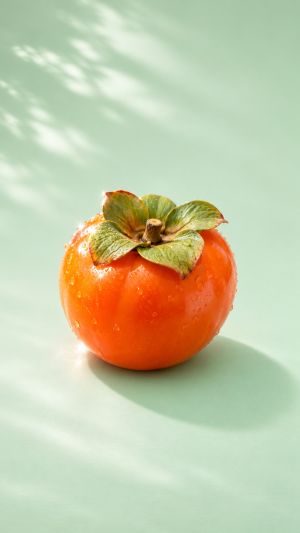
Persimmons are loved for their naturally sweet taste, soft texture, and beautiful orange color. However, some freshly picked persimmons have a strong astringent flavor and need extra time before they are ready to eat.
Fortunately, several traditional methods can help improve their taste and extend their storage life. From using apples to encourage natural ripening to keeping firm fruit in a cool place, these simple techniques make it easier to enjoy persimmons for longer.
<h3>Why Do Persimmons Taste Astringent?</h3>
Unripe astringent persimmons hold high levels of soluble tannins that bind mouth proteins and leave a dry, chalky feel until ripening converts them.
University cooperative extension fruit guides—such as UC Agriculture and Natural Resources—note that non-astringent cultivars lose astringency while still firm and crisp, whereas astringent types taste best once mellowed or softened; traditional options include pairing fruit with ripe produce, layering clean leaves, or drying slices depending on how fast you want to eat them.
<h3>Method 1: Use Other Fruits</h3>
Tucking persimmons alongside apples, pears, or hawthorn speeds up natural ripening because those companion fruits release ripening gas that helps mellow astringency.
Seal firm persimmons in a clean container or loosely closed bag with a couple of ripe apples or pears, setting the bag on a kitchen counter or pantry shelf away from direct sun. Room warmth speeds ripening over a few days, while a cooler spot slows it down—so peek in every couple of days and pull out fruit as soon as it reaches your preferred softness.
<h3>Method 2: Use Tree Leaves</h3>
Layering fruit with clean, dry leaves from pine, cypress, or banyan trees is another time-tested way to condition harvested persimmons.
Line the base of a breathable basket or box with leaves, add a single layer of fruit, and alternate leaf and fruit layers while keeping the top covered. Set the box in a cool, airy indoor corner and examine a couple of pieces every few days so you catch them right as they soften.
<h3>How to Store Firm Persimmons</h3>
Keeping firm fruit cool and uncrowded slows ripening so you do not end up with every persimmon turning soft on the same day.
In cool, shaded, well-ventilated storage, firm persimmons can hold for roughly two to five months depending on variety and humidity, while chilled storage around 7°C and 13°C also slows softening. Set fruit in a single layer with stems intact, handle gently to prevent bruises, and move softening pieces out ahead of firmer ones.
<h3>Traditional Outdoor Rack Storage</h3>
When you harvest more fruit than indoor shelves or a refrigerator can hold, a raised outdoor rack offers generous capacity.
Pick a well-drained, shaded spot on high ground and raise the platform about 1 to 1.2 meters off the ground to block dampness and ground drafts. Lay bamboo or corn stalks topped with 10 to 15 centimeters of rice straw, spread persimmons in a layer around 30 centimeters deep, add extra straw if temperatures dip below 0°C, and shield the stack with a sloped rain cover that still lets air circulate.
<h3>Making Dried Persimmons</h3>
Drying turns surplus fruit into a chewy pantry snack with rich, concentrated sweetness.
Peel the skin cleanly, space halved or whole fruit out on racks or lines in a breezy, shaded spot—or use a food dehydrator—so air moves around every piece without baking the outside too fast. Once the fruit turns leathery and pliable rather than wet inside, store it in an airtight container and check briefly at first for any lingering moisture.
<h3>Final Thoughts</h3>
A little patience turns puckery, unripe fruit into sweet autumn treats that last well past harvest. Match your storage method to how firm the fruit is today, and every batch will taste right on schedule.
How to Ripen Astringent Persimmons Fast! Bletting Hack You Need to Know
Video by Greenthumbs Garden


