

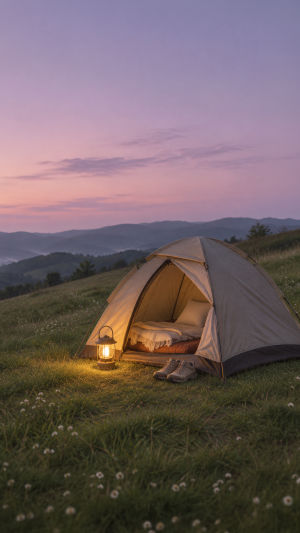
Camping is a wonderful way to enjoy the outdoors, explore natural surroundings, and spend a night under the stars. It offers a refreshing break from busy routines and creates opportunities to share memorable moments with friends and family.
However, a successful trip requires more than packing a tent and heading outside. Careful preparation helps make the experience safer, easier, and more enjoyable. Here are some important things to prepare before your next outdoor adventure.
<h3>Choose the Right Campsite</h3>
The location of your campsite can greatly affect your experience. Look for a flat, dry area with some natural protection from strong winds. Avoid low-lying ground, riverbanks, steep slopes, and cliff edges, as these places may become dangerous during sudden weather changes.
If you are visiting a national park or protected natural area, check local regulations and use designated camping spaces. Choose a location with reasonable access to drinking water and basic facilities. Before setting up your tent, inspect the ground and remove small stones and fallen branches. A clean, level surface protects your equipment and makes sleeping more comfortable.
<h3>Check the Weather Forecast</h3>
Weather conditions can change quickly, especially in mountains and forests. Check the forecast before departure and pay attention to temperatures, rainfall, wind speeds, and possible thunderstorms. If severe weather is expected, consider postponing your trip.
Temperatures can also drop at night, even when daytime conditions feel comfortable. Pack waterproof clothing, a rain cover for your tent, and extra layers for cooler evenings.
<h3>Pack Essential Equipment</h3>
Having the right supplies makes outdoor activities much easier, so prepare a checklist before leaving. A basic one includes:
- Tent: Choose one with good ventilation and reliable rain protection.
- Sleeping bag: Select one suitable for the expected nighttime temperature.
- Sleeping mat: Choose one that provides cushioning and separates you from the cold ground.
- Lighting: Bring a headlamp, flashlight, or camping light with spare batteries.
- Cooking equipment: Pack a portable camping stove, cookware, plates, and reusable utensils.
- Food and water: Carry enough drinking water and easy-to-store meals.
- First-aid kit: Include bandages, cleaning supplies, and necessary personal medication.
- Navigation tools: Carry a map and compass for areas with limited mobile reception.
Organize supplies into separate bags so important items are easy to find.
<h3>Set Up Your Campsite Safely</h3>
When you arrive, follow the manufacturer's instructions to assemble your tent. Make sure the poles, ground stakes, and support ropes are secure. Position the entrance away from strong winds when possible. Keep clothing in waterproof bags and place frequently used items somewhere accessible.
If cooking is permitted, use a portable stove in an appropriate outdoor area. Follow its safety instructions and never operate cooking equipment inside an enclosed tent.
Medical toxicologist Dr David Betten of Sparrow and Michigan State University Physicians tested backpacking stoves inside tents and found that carbon monoxide, a colorless and odorless gas, builds up, especially in tightly built four-season tents with little ventilation. His advice is simply not to cook inside a tent.
<h3>Stay Comfortable Outdoors</h3>
Drink water regularly, especially during warm afternoons and physical activities. Wear comfortable clothing, a suitable hat, and protective footwear. In areas with many insects, long sleeves and trousers offer additional protection. Use insect repellent according to its instructions.
Keep food sealed in suitable containers and follow campsite storage rules. Bring towels, tissues, and hand-cleaning supplies. Avoid washing near natural water sources, and follow local sanitation guidelines when using outdoor facilities.
<h3>Prepare for Unexpected Situations</h3>
Before leaving, share your destination, planned route, and expected return time with someone you trust. If you become lost, stay calm and avoid wandering in unfamiliar directions. Use your map and compass if possible.
If you cannot find a safe route, remain in a suitable location and use a whistle or visible signal to attract attention. For serious injuries or sudden illness, seek professional assistance promptly. During thunderstorms, heavy rain, or strong winds, follow local emergency instructions and move toward a safe shelter.
<h3>Leave No Trace</h3>
Responsible camping means protecting the natural environment. Collect all rubbish, including food packaging and small pieces of litter. Avoid damaging plants or disturbing the surrounding landscape. Before leaving, check the campsite for forgotten belongings. Once home, clean and dry your tent, sleeping bag, and other equipment thoroughly before storing them.
Before your next trip, write your equipment checklist a few days ahead and check the forecast again on the morning you leave. That way, there is still time to buy missing items or postpone if the weather turns.
Your Complete Guide to Camping for Beginners! + Camping Tips and Advice
Video by Izzythrills


