

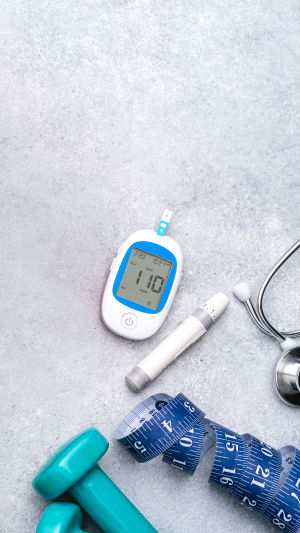
Tracking blood sugar has become a popular wellness trend, with wearable sensors promising detailed insights into how our bodies respond to food. Social media advice often suggests that even small increases in glucose are dangerous and should be avoided.
However, medical experts are challenging this assumption. For people without diabetes, temporary increases in blood sugar are usually a normal part of digestion, and constantly monitoring them may offer little additional benefit.
<h3>Why Blood Sugar Naturally Rises</h3>
When we eat carbohydrates, our digestive system breaks them down into glucose, which enters the bloodstream and provides energy for the body's cells. The pancreas responds by releasing insulin, helping move glucose from the blood into tissues.
This process naturally causes blood sugar to rise after meals. According to Adrian Brown, a nutrition researcher at University College London, these increases are not automatically harmful.
Glucose levels typically peak about an hour after eating before returning towards their usual range within the following two hours.
Physical activity can also temporarily increase blood glucose. During intense exercise, hormones encourage the liver to release additional energy for working muscles.
<h3>When Should You Be Concerned?</h3>
Occasional fluctuations are different from persistently elevated glucose levels.
When the body struggles to regulate blood sugar effectively, this may indicate insulin resistance or diabetes. Over time, poorly controlled diabetes can increase the risk of cardiovascular disease, nerve damage and vision problems.
However, a brief rise after eating fruit, bread or pasta does not establish that someone has a metabolic disorder.
People concerned about diabetes should discuss established screening tests, including fasting glucose and HbA1c measurements, with a healthcare professional.
<h3>Do Healthy People Need Glucose Monitors?</h3>
Continuous glucose monitors use wearable sensors to measure glucose in the fluid beneath the skin throughout the day.
These devices are valuable for many people with diabetes, particularly when treatment decisions depend on identifying high or low glucose levels.
However, their benefits for people without diabetes remain uncertain.
One study found that participants without diabetes spent approximately 96% of their time within a healthy glucose range.
A recent scientific review also found insufficient consistent evidence that continuous monitoring improves health outcomes in otherwise healthy individuals.
Experts caution that concentrating excessively on glucose readings could encourage unnecessary dietary restrictions or anxiety about normal physiological processes.
<h3>Why Cutting Carbs Can Backfire</h3>
Some wellness programmes encourage people to avoid foods that produce noticeable glucose increases.
However, carbohydrates are an important part of balanced nutrition. Whole grains, fruit and legumes provide fibre, vitamins and other valuable nutrients.
Eliminating these foods simply because they temporarily raise blood sugar could reduce overall dietary quality.
Researchers also note that glucose responses differ according to sleep, stress, physical activity and meal composition.
This means the same food may produce different readings on different days.
<h3>Simple Ways To Support Your Health</h3>
Rather than monitoring every meal, experts recommend focusing on overall dietary quality.
Combining carbohydrates with protein, fibre-rich vegetables and healthy fats can slow digestion and provide steadier energy.
Choosing whole grains more often, limiting excessive added sugar and maintaining regular physical activity are sensible habits.
Eating vegetables and protein before carbohydrate-rich foods may also reduce the immediate glucose rise after a meal.
<h3>Finding A Healthier Balance</h3>
Blood sugar fluctuations are a normal part of life, not necessarily a warning sign. For most healthy people, there is little evidence that tracking every change provides meaningful benefits.
A balanced diet, regular movement and appropriate medical screening remain more useful priorities than trying to eliminate every glucose spike.


