

The Mediterranean diet has long attracted scientific interest for its association with cardiovascular wellness, better cognitive health, and healthy aging.
Now, research from the University of Southern California (USC) has uncovered a possible explanation for some of these benefits: two tiny proteins produced by mitochondria, the cellular structures responsible for generating much of the energy needed for daily biological activity.
<h3>How the Mediterranean Diet Influences Cellular Health</h3>
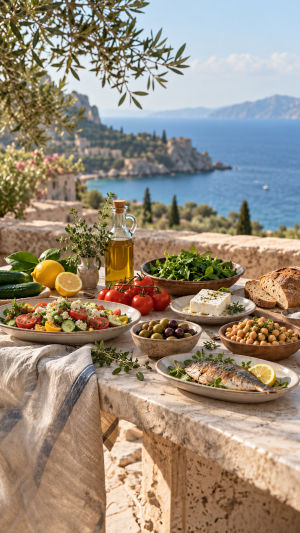
The Mediterranean diet emphasizes a varied selection of vegetables, fruits, legumes, fish, whole grains, nuts, and olive oil. Rather than relying on strict food restrictions, this eating pattern prioritizes nutritious ingredients and balanced meals while generally limiting heavily processed products and refined carbohydrates.
Previous research has associated this dietary pattern with better cardiovascular health and a lower risk of several chronic conditions. The USC study explored whether these benefits might also involve changes at the molecular level.
Researchers analyzed blood samples from older participants and compared their microprotein levels with their adherence to the Mediterranean diet. Those who followed the dietary pattern more closely showed higher concentrations of humanin and SHMOOSE. They also displayed lower indicators of oxidative stress, a process in which reactive molecules can damage cellular components when protective defenses become overwhelmed.
<h3>Humanin and SHMOOSE: Small Proteins With Potential Benefits</h3>
Mitochondria are best known for supplying energy, but their responsibilities extend to regulating metabolism and helping cells respond to stress. Scientists have increasingly recognized that these structures also produce small proteins that may influence health beyond energy production.
Humanin, identified by researchers in 2003, has been linked in earlier studies to insulin sensitivity, cardiovascular wellness, and protection against certain forms of cellular damage. The newer findings suggest that dietary patterns could be associated with the amount of this protein circulating in the blood.
SHMOOSE has attracted attention for its potential role in brain health. Previous research has connected a genetic variant of this protein with Alzheimer's disease risk, while laboratory investigations suggest that the typical version may help protect nerve cells against certain types of damage.
<h3>Olive Oil, Fish, and Legumes Stand Out</h3>
The study also identified associations between particular food choices and individual microproteins. Greater consumption of olive oil, fish, and legumes was linked to higher humanin levels. Olive oil consumption and lower intake of refined carbohydrates were associated with higher SHMOOSE levels.
These results reinforce the value of considering an overall eating pattern rather than searching for a single miracle ingredient. Olive oil provides predominantly unsaturated fatty acids, fish supplies protein and, depending on the species, omega-3 fatty acids, while legumes contribute fiber, plant-based protein, and important micronutrients.
Practical changes can include adding beans or lentils to soups, choosing fish regularly, incorporating vegetables into main meals, and replacing some refined-grain products with whole-grain alternatives. Such adjustments can make Mediterranean-style eating more accessible without requiring a complete dietary overhaul.
<h3>Expert Insight</h3>
Pinchas Cohen, senior author of the research and dean of the USC Leonard Davis School of Gerontology, emphasized the broader significance of these small proteins. In the university's report published by ScienceDaily, Cohen stated: “These peptides are emerging as key regulators of aging biology.”
The USC research adds an intriguing molecular perspective to the established scientific interest in Mediterranean-style eating. Higher levels of humanin and SHMOOSE among older participants who followed the diet more closely suggest that nutrition may be connected to cellular processes involved in aging.
Although the findings do not prove cause and effect, they provide a useful foundation for further research into personalized nutrition and long-term wellness. For now, a varied diet built around vegetables, fruits, legumes, fish, whole grains, and olive oil remains a practical approach to supporting overall health, while scientists continue investigating how its benefits may extend to the smallest components of cellular biology.


