

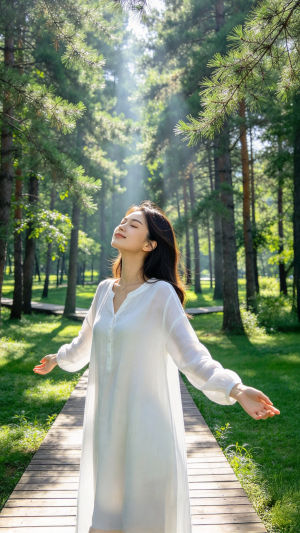
Spending time in a natural setting can offer a welcome pause from daily demands. The sound of birds, the movement of leaves, and the changing patterns of sunlight encourage people to slow down and pay attention to their surroundings.
This practice, known as forest bathing or shinrin-yoku, involves engaging with nature through sight, sound, smell, and touch.
Unlike a demanding hike, forest bathing focuses on mindful observation rather than distance, speed, or physical performance. It can involve walking slowly along a forest path or sitting quietly among trees. Research suggests that this practice may support relaxation and psychological well-being, although evidence for some longer-term health benefits remains limited.
<h3>How Forest Bathing May Reduce Stress</h3>
Stress can influence mood, concentration, sleep, and physical comfort. Spending time in a calm environment may provide an opportunity to step away from everyday pressures and settle into a slower rhythm.
During forest bathing, gentle movement and attention to natural sounds, colors, and textures can help shift focus away from persistent concerns. Some studies have also reported changes in physiological measures associated with stress, including salivary cortisol levels and electrodermal activity.
However, these findings do not establish that forest exposure alone causes the changes. Research methods and study conditions vary, so further controlled studies are needed to clarify the effects.
<h3>Supporting Mental Well-Being</h3>
Natural surroundings can provide a setting for mindful attention and emotional relaxation. Observing the shapes of leaves, listening to birds, or noticing the breeze can encourage people to focus on the present moment without following a formal meditation routine.
Research has reported potential improvements in certain measures of mood, anxiety, and psychological well-being after time spent in forests. The World Health Organization states, “The reviews demonstrated the overall positive relationship between green and blue spaces and mental health.”
These findings support the value of natural environments for well-being, although they do not establish forest bathing as a treatment for mental health conditions. Making time for nature may complement other supportive habits, such as maintaining a regular sleep schedule, staying physically active, and keeping meaningful social connections. People who need additional support for their mental health should consult a qualified healthcare professional.
<h3>Potential Effects on Heart Health</h3>
Some studies have associated forest exposure with short-term changes in heart rate and blood pressure. These effects may be related to relaxation, gentle physical activity, and a reduction in environmental stimulation.
The findings are promising, but they do not demonstrate that forest bathing prevents or treats cardiovascular disease. Long-term benefits have not been firmly established.
People managing cardiovascular conditions should continue their recommended medical care. Time in nature can complement an appropriate health routine but should not replace prescribed treatment or professional guidance.
<h3>What Research Says About Immune Health</h3>
Scientists have investigated whether forest bathing is associated with changes in immune-related measurements, including natural killer cell activity. These cells contribute to the body's defense against certain infected and abnormal cells.
Some studies have reported changes in these measurements following forest exposure. However, changes in laboratory markers do not necessarily translate into fewer infections or stronger protection against disease.
Further research is needed to determine whether forest bathing has meaningful, lasting effects on immune function. For now, it is best viewed as a potential wellness practice rather than a method of preventing illness.
<h3>How to Practice Forest Bathing</h3>
Forest bathing is flexible and can be adapted to different schedules, preferences, and activity levels. The aim is to experience the surroundings attentively rather than complete a particular route.
<b>Choose a Peaceful Location</b>
Find an accessible forest trail, botanical garden, woodland path, or green space where you feel comfortable. Select a location that allows you to move at your own pace and enjoy the environment.
<b>Engage Your Senses</b>
Walk slowly or sit in a comfortable place. Notice the colors of the landscape, the sounds of birds, the movement of branches, and the feel of the breeze. Let your attention rest on these details without trying to achieve a particular result.
<b>Reduce Digital Distractions</b>
Silence unnecessary notifications and avoid checking your phone repeatedly. Keep it available for emergencies while giving yourself time to appreciate the natural surroundings.
<b>Begin With a Comfortable Duration</b>
Start with a short visit and extend it whenever your schedule and comfort allow. There is no universally established session length, so choose an amount of time that feels manageable.
<b>Prepare for Outdoor Conditions</b>
Wear suitable footwear, bring drinking water, and check the weather before leaving. Choose safe paths and consider seasonal heat, insects, allergies, and accessibility. A nearby garden or park is a practical alternative when a forest is difficult to reach.
<h3>Who May Benefit From Forest Bathing?</h3>
Forest bathing may appeal to people seeking a simple way to incorporate relaxation and outdoor experiences into everyday life. Those who spend much of their time indoors may particularly appreciate opportunities to connect with natural surroundings.
The practice does not require strenuous activity. Sitting beneath trees, observing a garden, or taking a gentle walk can all provide opportunities for mindful engagement with nature.
Individual needs should guide the choice of setting. People with mobility limitations, allergies, or respiratory sensitivities can select an environment suited to their circumstances. Indoor relaxation and other established stress-management practices can also support well-being.
<h3>Making Nature Part of a Healthy Routine</h3>
Forest bathing provides an accessible way to combine mindful attention, relaxation, and gentle outdoor activity. Research suggests potential benefits for stress management, mood, and certain short-term cardiovascular measurements, while lasting immune and disease-prevention benefits remain uncertain.
Regular time in nature can complement a balanced routine that includes adequate sleep, physical activity, nutritious meals, and meaningful social connections. By slowing down and paying attention to the environment, people may find a practical opportunity to support their overall well-being.


