

Jaipur, the capital of Rajasthan, offers a memorable introduction to the colours, craftsmanship and architectural beauty of northwestern India. Often called the Pink City, it is known for its rose-toned buildings, grand palaces, lively markets and skilled artisans.
Yet Jaipur is more than a destination for admiring historic landmarks. Its creative traditions continue through jewellery workshops, textile studios and local businesses that connect generations of craftsmanship with contemporary design.
<h3>Celebrate Jaipur’s 300-Year Heritage</h3>
The year 2027 marks 300 years since Jaipur was founded, making it an interesting time to experience the city’s heritage and creative identity. One major cultural attraction is the Jaipur Literature Festival, scheduled for 14–18 January 2027 at Hotel Clarks Amer. The event brings together writers, readers and artists for book discussions, readings and cultural performances.
General registration has been listed from €2, while student registration is around €1, for five days. Special packages and music performances may have separate prices. Visitors should check the latest programme and ticket categories before arranging their trip.
Beyond the festival, Jaipur’s cultural life can be experienced throughout the year through its museums, workshops and independent creative spaces. Visitors who enjoy literature, architecture and design may want to combine organised events with informal visits to local studios.
Jaipur
<h3>Discover Jaipur’s Architectural Landmarks</h3>
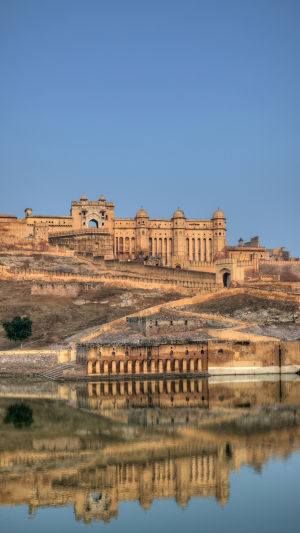
Jaipur’s historic buildings offer a closer look at the city’s distinctive design. Amber Fort, situated on a hill outside the central area, features grand courtyards, decorative interiors and detailed stonework. Its elevated position also provides views of the surrounding landscape.
For international visitors, general admission to Amber Fort has been listed at €10. The Hawa Mahal, recognised for its intricate façade and rows of small windows, has an international visitor admission price around €6. These euro conversions are estimates, and ticket prices should be confirmed before travelling.
<h3>Explore Markets and Traditional Crafts</h3>
Shopping in Jaipur offers opportunities to appreciate the skill behind Rajasthan’s handmade products. Johari Bazaar is known for jewellery, while Chandpole Bazaar has shops selling decorative objects, handicrafts and other locally produced goods. Textile enthusiasts can look for fabrics made using block printing, a process in which carved wooden blocks transfer patterns onto cloth.
Anokhi is another name associated with printed textiles and modern interpretations of traditional craftsmanship. Visitors interested in the process can look for workshops or exhibitions that explain how patterns are designed, prepared and applied. Allow time to browse rather than rushing between shops. Comparing designs, asking about production methods and purchasing from established local businesses can make shopping a more engaging part of the visit.
<h3>Taste the Flavours of Rajasthan</h3>
Jaipur’s food scene adds another dimension to a city break. Regional dishes often feature aromatic spices, lentils, vegetables and flatbreads, offering variety for different tastes. Local cafés and casual eateries are convenient places to take a break between sightseeing stops. For budgeting, allow approximately €3–€7 for a simple local meal and around €10–€20 for a more substantial restaurant meal.
<h3>Plan a Comfortable Jaipur Getaway</h3>
Jaipur can be explored over several days, allowing time for both major attractions and quieter experiences. A two- or three-day itinerary could include Amber Fort, Hawa Mahal and Jantar Mantar, followed by market visits and a closer look at local crafts. Auto-rickshaws, taxis and app-based transport can help visitors travel between locations. Since some attractions are spread across the city and surrounding hills, grouping nearby stops together can reduce unnecessary travel time.
Whether admiring historic buildings, browsing printed textiles or enjoying regional dishes, visitors can experience several sides of Rajasthan’s capital in one trip. A well-planned itinerary leaves enough time to appreciate its heritage while enjoying the everyday details that make Jaipur distinctive.


