

A warm night can do more than make a bedroom uncomfortable. New experimental research suggests that nighttime heat may interfere with sleep, increase short-term anxiety, and affect several biological indicators associated with stress.
The findings provide insight into how the timing of heat exposure may influence psychological well-being.
<h3>Inside the Controlled Experiment</h3>
Researchers studied 41 healthy university students aged 18 to 25 in a randomized crossover trial. Each participant experienced different temperature conditions, allowing researchers to compare individual responses rather than relying solely on differences between people. The control environment was maintained at 26°C. Daytime heat exposure reached 32°C between 9 a.m. and 5 p.m., while nighttime exposure reached 30°C between 10 p.m. and 6 a.m. The nighttime period was designed to reflect typical sleeping hours.
Researchers assessed anxiety before and after each exposure. Blood samples were also analyzed for indicators associated with inflammation, oxidative stress, stress-hormone activity, and brain function. Sleep duration and perceived sleep quality were recorded during nighttime testing.
The controlled design provides stronger evidence of short-term effects than an observational survey alone. However, laboratory conditions cannot reproduce every factor that influences sleep and emotional health in everyday life.
<h3>Heat Was Linked to Higher Anxiety</h3>
Both daytime and nighttime heat exposure were associated with higher anxiety scores compared with the control conditions. The researchers calculated an increase of approximately 24.7% following daytime exposure and 27.8% following nighttime exposure. These percentages describe changes in the study's anxiety scores, not the proportion of participants who developed an anxiety disorder.
The results indicate a short-term psychological response under specific experimental conditions rather than a diagnosis of a lasting mental health condition. Heat can place additional demands on the body's temperature-regulation systems. Sweating, increased circulation near the skin, and changes in heart rate help release excess heat, but these responses can also contribute to discomfort and physiological strain.
<h3>Why Nighttime Exposure Deserves Attention</h3>
Participants slept for less time during the hot-night condition. Average sleep duration fell to approximately 276 minutes, compared with 329 minutes under the control temperature. Sleep-quality scores also declined. Sleep supports emotional regulation, concentration, and recovery from daily demands. Insufficient or fragmented sleep can make stressful situations feel harder to manage and may influence the body's normal hormonal patterns.
The researchers also detected a broader range of biological changes after nighttime heat exposure. Levels of interleukin-1 beta, a marker associated with inflammatory activity, and malondialdehyde, an indicator of oxidative stress, increased. Cortisol levels also rose, while brain-derived neurotrophic factor (BDNF), a protein involved in neural function, declined.
<h3>Expert Insight</h3>
The study's lead author, Jintao Liu, and colleagues summarized their findings in the published research abstract: “Heat exposure during the day or at night can adversely affect mental health, with nighttime heat having broader psychological effects and potentially involving distinct biological pathways.”
<h3>What the Biological Results Mean</h3>
Cortisol helps regulate the body's response to demands and follows a daily rhythm, generally reaching lower levels during the night. An increase during hot sleeping conditions may indicate that heat interferes with normal nighttime regulation. The study's mediation analysis suggested that oxidative stress and cortisol partly explained the relationship between nighttime heat and anxiety scores. However, mediation analysis does not prove that either factor directly causes anxiety.
<h3>Practical Steps for Cooler Sleep</h3>
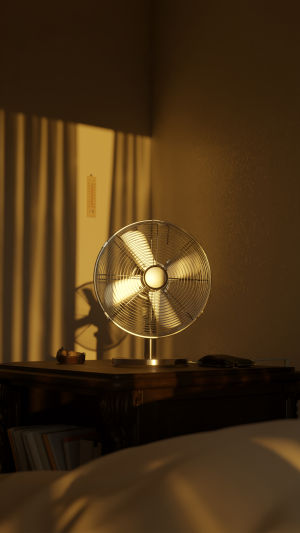
Keeping the sleeping environment comfortable may help reduce heat-related sleep difficulties. Practical measures include improving room ventilation when outdoor conditions allow, using a fan or suitable cooling system, choosing lightweight sleepwear, and drinking enough water throughout the day. People without air conditioning may benefit from reducing indoor heat accumulation and using breathable bedding.
A controlled trial involving 41 young found that daytime and nighttime heat were both associated with increased short-term anxiety. The study strengthens the case for examining nighttime heat as a potential health concern, but its small sample and brief exposure periods limit wider conclusions. Further research will clarify whether repeated hot nights produce lasting psychological effects and which cooling measures offer the greatest protection.


