

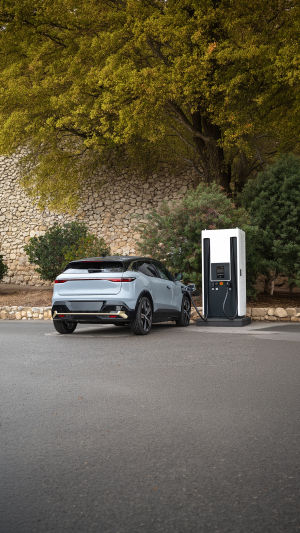
Electric cars offer a different way to travel, combining quiet operation, smooth acceleration, and the convenience of charging instead of visiting a fuel station. They can be appealing for everyday commutes, shopping trips, and journeys between cities.
However, their suitability depends on several factors, including battery range, charging access, driving conditions, and travel habits. Understanding these practical details can help drivers decide whether an electric car fits their lifestyle.
<h3>Why Electric Cars Work for Daily Driving</h3>
Electric cars can be convenient for regular journeys because daily travel often follows familiar routes. Commuting to work, running errands, or visiting nearby destinations may require only a portion of the vehicle's available battery range. Electric motors provide smooth acceleration, while their quiet operation can make urban driving more comfortable.
Home charging offers another advantage for people with suitable parking and electrical facilities. Charging overnight can reduce the need for separate stops during the week. Drivers without home charging should check whether public chargers near their homes, workplaces, or regular destinations can cover their needs.
<h3>Can Electric Cars Handle Long Journeys?</h3>
Long-distance travel is possible with an electric car, but it usually requires more planning than a short daily commute. Drivers need to consider the total distance, the vehicle's usable range, and where charging stops are available.
Before departure, identify charging locations along the route and check whether they suit the vehicle's charging requirements. Planning alternative stops is also helpful in case a charger is occupied or temporarily unavailable.
Driving conditions can affect how far the car travels between charges. Higher speeds, heavy luggage, steep roads, and climate control can increase energy consumption. Leaving a reasonable battery reserve provides extra flexibility when conditions differ from expectations.
<h3>Understanding Battery Range</h3>
An electric car's advertised driving range is a useful comparison point, but actual results often vary with the conditions above. Cold weather matters in particular, as lower temperatures can reduce battery performance and cabin heating uses extra energy.
For daily driving, range differences may be less noticeable when trips are short and charging is readily available. On longer journeys, however, realistic range estimates become more important because they determine how frequently charging stops are needed.
When comparing models, consider your usual mileage alongside the longest trips you expect to take. A larger battery may offer greater flexibility, but it can also increase the purchase price. Choosing a vehicle with suitable range usually makes more sense than paying for capacity you rarely need.
<h3>Charging Speed and Accessibility</h3>
Charging convenience depends on where the vehicle can be plugged in and how quickly it can accept energy. Public charging facilities serve drivers who cannot charge at home or who need additional power during a journey.
Charging times vary according to the vehicle, charger output, battery temperature, and current charge level. Rapid chargers can reduce waiting time on longer routes, although charging speed often slows as the battery approaches full capacity.
Before purchasing, check the vehicle's charging specifications to see which charger types and speeds it supports. Drivers planning frequent long trips should also look at how widely compatible stations are spread across the regions they travel to.
<h3>Considering the Cost of Ownership</h3>
Electric cars may cost less to operate in certain circumstances, particularly when home electricity is affordable. Their drivetrains also have fewer moving parts than conventional engine systems, and they do not require routine engine oil changes.
Nevertheless, ownership involves more than electricity expenses. Purchase price, insurance, tires, servicing, public charging fees, and potential repairs all deserve consideration. Savings will depend on local energy prices, annual mileage, and the specific vehicle. Comparing expected expenses over several years can provide a clearer picture of value.
Electric cars can suit both everyday commuting and long-distance journeys when their range, charging options, and running costs match the driver's needs. Before buying, a longer test drive or a short rental covering a typical week of trips can show how well one fits your routine.


