

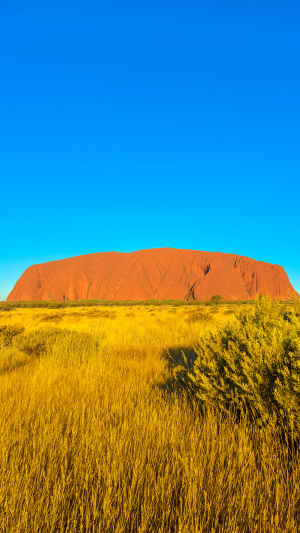
Hello, Lykkers! Uluru rises from the red desert of central Australia like something from another world.
The huge sandstone monolith sits within Uluru-Kata Tjuta National Park, and the dry season—roughly May to October—brings cooler days, clear skies, and the easiest conditions for exploring.
The park is jointly managed with the traditional owners, the Anangu, and visiting with respect for their land and culture makes the experience richer. Here are six must-see places to build your dry-season trip around.
<h3>Uluru Base Walk: The Full Circuit</h3>
The base walk circles the entire monolith, covering about 10.6 kilometers on a flat, well-marked track. Most visitors complete it in three to four hours, and early morning is the best time to start—the dry season days heat up quickly by late morning. The walk reveals waterholes, rock art, and quiet corners that the famous sunset viewpoint never shows you.
Bring at least two liters of water per person, a hat, and sturdy shoes. The park entry fee covers three days and costs around US$25 (cost may vary) per person. Note that climbing Uluru is permanently closed, out of respect for Anangu culture—the base walk is the way to experience the rock up close.
<h3>Kata Tjuta and the Valley of the Winds</h3>
Kata Tjuta, about 50 kilometers west of Uluru, is a cluster of 36 domed rock formations that many visitors find even more striking than the monolith itself. The Valley of the Winds walk is the highlight, a roughly 7.4-kilometer route with steep sections and spectacular views between the domes. It takes about three hours, and the dry season is the only comfortable time to attempt it—summer heat makes it genuinely dangerous.
A guided day tour from the Uluru resort area typically costs US$120–180 (cost may vary) per person including transport, while a rental car gives you more flexibility if you are comfortable driving on unsealed roads. Start early and carry more water than you think you need.
<h3>Field of Light: A Desert Transformed After Dark</h3>
Field of Light is an art installation by Bruce Munro featuring tens of thousands of illuminated stems spread across the desert floor near Uluru. The dry season is when it operates, and the experience begins at dusk as the lights slowly come to life.
Entry prices vary by package; basic self-guided visits generally start around US$35–50 (cost may vary) per person. Book ahead, since capacity is limited and popular nights sell out. It is a gentle, family-friendly evening that pairs well with a daytime walk, and it offers a completely different view of the desert landscape.
Field of Light (pre-booked access only)
<h3>Uluru Sunset and Sunrise Viewing Areas</h3>
The designated sunset and sunrise viewing areas are the classic way to see the rock change color. The sunset viewing area is about a 10-minute drive from the resort, and the sunrise spot is similarly close. These are free with park entry, and no booking is needed—just arrive early enough to park.
The dry season's clear skies make the color shifts especially vivid. Bring a folding chair, snacks, and a jacket, since desert evenings cool down fast even in the dry months.
<h3>Cultural Centre and Anangu Art</h3>
The Uluru-Kata Tjuta Cultural Centre, near the park entrance, is free to enter and offers context that transforms how you see the landscape. Exhibits explain Anangu creation stories, land management, and the meaning of the rock art you will encounter on walks.
Local artists sell work through the centre's gallery, and buying directly supports community enterprises. Plan about an hour here before your first walk—it makes the base walk far more meaningful. Opening hours vary by season, so check the park's official information on arrival.
Uluṟu-Kata Tjuṯa Cultural Centre
<h3>Walpa Gorge: A Quieter Kata Tjuta Walk</h3>
If the Valley of the Winds sounds too demanding, Walpa Gorge is a shorter alternative at Kata Tjuta. The walk is about 2.6 kilometers return and takes roughly 45 minutes to an hour, following a rocky path between two towering domes to a sheltered gorge.
It is a good option for families or travelers with limited time, and the dry season makes the track comfortable. Combine it with a stop at the Kata Tjuta viewing area for a picnic, and you have a relaxed half-day that still delivers the landscape's scale. Carry water and sun protection regardless of the walk's short length.
<h3>Final Thoughts</h3>
Uluru in the dry season is a landscape that rewards preparation and patience. Start your days early, carry more water than feels necessary, and let the cultural centre set the tone before you walk. The base walk, Kata Tjuta's trails, the Field of Light, and the classic viewing areas together offer a full picture of why this place matters—not just as a photo stop, but as a living cultural landscape.
Book the experiences that require it, respect the closures and guidance you encounter, and leave room for quiet moments when the rock glows at the edges of the day.


