

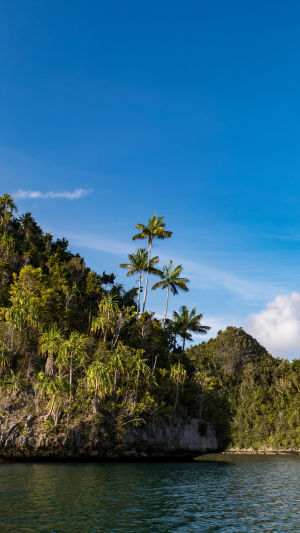
Welcome, and let's begin. Wajag Island sits in the Raja Ampat group of West Papua, Indonesia, and it is not the kind of place that greets you with a signboard and a ticket booth.
You arrive by boat, step onto sand, and that's about it. No resorts, no queues, no vendors. If you want a South Pacific style beach without the price tag or the crowds, this is the sort of island that quietly delivers.
<h3>Why Wajag earns the trip</h3>
Wajag is small, ringed by white sand and shallow reef, and the water stays calm enough to wade out far before it deepens. The draw here isn't a single landmark, it's the combination: clear water, healthy coral close to shore, and a genuine sense of isolation.
Raja Ampat as a whole is known for having the highest recorded marine biodiversity on the planet, and Wajag sits inside that zone. Snorkelers regularly spot parrotfish, fusiliers, and the occasional reef shark in the first fifty meters off the beach. You don't need a dive certification to see good coral here.
<h3>Getting there takes planning</h3>
The usual route is a flight into Sorong, then a ferry or speedboat to Waisai, the capital of Raja Ampat Regency. From Waisai, Wajag is a short boat hop, often arranged through your homestay or a local boat operator. Speedboat charters around the islands typically run $50 to $150 per day depending on distance and group size, and splitting that cost across four or five people makes a real difference.
Ferries from Sorong to Waisai are the cheaper option, roughly $10 to $15 one way, but they run on fixed schedules, so build a buffer day into your plan.
Wajag Island
<h3>Where you actually sleep</h3>
Don't expect hotels. Wajag and the surrounding islands run on homestays, simple wooden bungalows with a bed, a fan, and meals included. Rates usually land between $30 and $60 per person per night with three meals, which is the standard arrangement across Raja Ampat.
Book ahead in the high season, roughly October through April, because the good homestays fill up and there's no walk in availability once you're out there. Power often runs on generators and cuts off at night, so charge your camera during the day.
<h3>What to do with your days</h3>
Two named highlights worth building around: the shallow reef flat right off Wajag's main beach, where you can snorkel straight from shore at high tide, and the nearby karst islets that boat operators will take you past for the classic Raja Ampat scenery.
Bring your own mask and fins if you can, rental gear is limited and often worn. A reef safe sunscreen matters here too, the coral is close and shallow. Most visitors spend two to four nights, which is enough to slow down without running out of things to do.
<h3>Before you go</h3>
Cash is the practical issue. Bring enough Indonesian rupiah from Sorong, because ATMs on Waisai are unreliable and there are none on the small islands. You'll also pay a marine park fee, a one time visitor permit that supports Raja Ampat's protected areas, so keep that in your budget. Pack light, bring a dry bag for boat transfers, and don't count on phone signal everywhere. The pace out here is slow by design.
Wajag isn't a place you conquer in a day, it's a place you let set your rhythm for a few nights. Get the boat logistics sorted before you fly, carry cash, and leave room in your schedule for a slow afternoon on the sand. Go, and let the island do the rest.


