

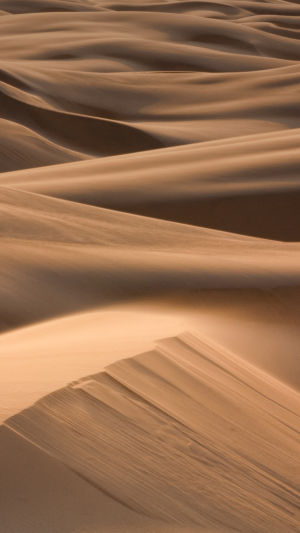
Hey, Lykkers. Let's be real for a second. When most people picture Namibia, they think of Etosha's wildlife or the Skeleton Coast's shipwrecks.
But the Namib Desert is the reason this country exists as a travel destination at all.
It's the oldest desert on Earth, stretching along the Atlantic coast for over 2,000 kilometers, and it contains landscapes you genuinely cannot find anywhere else on the planet.
Here are six places that make the Namib worth the journey.
<h3>Sossusvlei and Deadvlei: The Postcards You've Seen</h3>
Yes, everyone knows these names, but that doesn't make them any less extraordinary. Sossusvlei is a salt and clay pan surrounded by some of the world's tallest sand dunes, with Big Daddy reaching around 325 meters.
The climb is tough—expect about an hour of sinking into soft sand—but the view from the top, looking down onto Deadvlei's white clay pan and its 900-year-old dead camel thorn trees, is genuinely unforgettable. The trick is timing. Start before sunrise to reach the dunes as the light hits them, and you'll avoid the worst heat and the crowds. Park entry costs about US$8 per person per day, plus roughly US$8 per vehicle (prices may vary).
<h3>Sesriem Canyon: A Geological Time Capsule</h3>
Just a few kilometers from the park gate, Sesriem Canyon offers a completely different desert experience. The Tsauchab River carved this narrow gorge over millions of years, and walking through it reveals distinct geological layers that tell the story of the region's formation. The canyon is about a kilometer long and up to 30 meters deep, with pools at the bottom that hold water after good rains.
The name comes from Afrikaans—early settlers had to tie six belts together to lower buckets down to reach the water. Entry is included in the main park fee, so there's no extra cost.
<h3>The Naukluft Mountains: Hiking for the Serious</h3>
While most visitors focus on the dunes, the Naukluft massif offers some of southern Africa's best hiking. The mountains rise to nearly 2,000 meters and are carved with gorges—the name itself means "narrow ravine." Two one-day trails leave from the campsite: the Olive Trail at 10 kilometers and the Waterkloof Trail at 17 kilometers, both achievable without special equipment. Seasonal pools provide a chance for a cooling dip.
For the truly ambitious, the Naukluft Trail is a 120-kilometer, eight-day hike rated as one of the toughest in the region, requiring a permit and a doctor's letter. Day hikes are free with park entry.
The Naukluft Mountains
<h3>Kolmanskop Ghost Town: Diamonds and Decay</h3>
South of the Namib, near Lüderitz, sits one of the strangest places in Africa. Kolmanskop was a thriving diamond mining town in the early 20th century, complete with a ballroom and hospital. When the diamonds ran out, everyone left—and the desert has been reclaiming the buildings ever since.
Now a permit-controlled site in the Sperrgebiet, Kolmanskop offers guided tours that explain its boom-and-bust history. Sand drifts through doorways and piles up in rooms, creating surreal photo opportunities. Entry requires a permit, and the site is open from 8:00 to 13:00 most days, with a day pass available for sunrise and sunset photography. Guided tours run about US$10 to US$15 per person (prices may vary).
<h3>The Sperrgebiet: A Forbidden Land Now Open</h3>
Kolmanskop sits within the Sperrgebiet National Park, a 26,000-square-kilometer area that was completely off-limits to the public for nearly a century because of its diamond deposits. Proclaimed as a national park in 2009, it's now accessible with a permit.
Because it was protected for so long, the environment is in pristine condition. Over 1,000 plant species call this area home, along with 120 terrestrial bird species and more than 80 mammal species—including 25% of Namibia's entire flora. Visiting requires a permit and is typically done through guided tours from Lüderitz.
<h3>NamibRand Nature Reserve: Stargazing and Silence</h3>
Inland from the dunes lies the NamibRand Nature Reserve, a 220,000-hectare private reserve that's also Africa's only International Dark Sky Reserve. The lack of light pollution means the Milky Way is visible with the human eye, and many lodges offer stargazing sessions with knowledgeable guides who point out constellations, planets, and distant galaxies.
The reserve is also known for its "fairy circles"—mysterious bare patches in the sand that have puzzled scientists for decades. Some lodges offer hot air balloon flights over the reserve at sunrise, with a breakfast after landing. Balloon flights typically cost around US$450 to US$500 per person (prices may vary). Accommodation in the reserve ranges from about US$200 to US$600 per night depending on the camp (prices may vary).
<h3>Final Thoughts</h3>
The Namib Desert isn't a place you tick off a list. It's a place you slow down for. The dunes change color with the light, the silence is profound, and the stars at night feel close enough to touch. Whether you're climbing Big Daddy at dawn, walking through a canyon carved over millions of years, or standing in a ghost town swallowed by sand, the Namib will remind you how small we are and how old this planet really is.
Bring water, sunscreen, and patience. The desert rewards those who respect it.


