

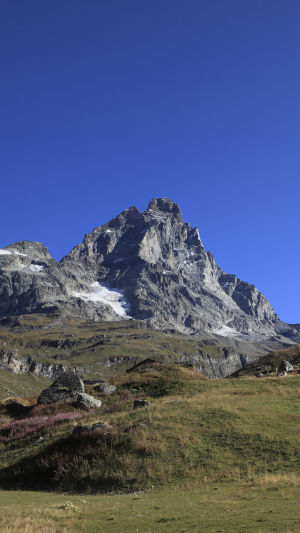
Hello Lykkers! The trails around Zermatt offer several ways to see the Matterhorn without turning every outing into a demanding summit day.
The useful question is not which route sounds most famous, but which distance, descent, and lift connection suit your group.
A clear plan also needs a weather backup because cloud, rain, and early snow can change the value of a high trail. The options below move from a broad lake circuit to a shorter alpine descent and an easier village day.
<h3>Begin with the Five Lakes</h3>
The Five Lakes Walk runs 11.3 kilometres from Blauherd to Sunnegga and is graded moderate T2. Official route information gives about three and a half hours, 265 metres of ascent, and 542 metres of descent. The path passes Stellisee, Grindjisee, Grünsee, Moosjisee, and Leisee, with Matterhorn reflections possible at three of them. Add generous stops if photography or a picnic is part of the plan.
The combined lift ticket covers one trip from Zermatt to Blauherd and the return from Sunnegga. It costs about US$58 in the base season and US$64 in July and August. Start early enough to avoid rushing the final connection, and check lift operating times on the morning of the hike. The route is not flat, despite its downhill profile, so supportive footwear and a rain layer still matter. Allow extra time if several walkers share one camera stop.
Blauherd
<h3>Try the Schwarzsee Descent</h3>
The Matterhorn Trail follows 7.4 kilometres from Schwarzsee through Stafelalp to Furi. It is also graded moderate T2, takes about two hours, and descends 746 metres without recorded ascent on the official profile. This is a shorter alternative for walkers comfortable with sustained downhill travel. The closer mountain views feel very different from the open lake circuit, while the rocky ground asks for steady pacing.
A return lift ticket from Zermatt to Schwarzsee costs about US$74 in May, June, September, or October and roughly US$81 in July and August. Because the walk ends at Furi, ask the ticket desk which one-way combination fits the route before paying for a full return. Hiking poles can reduce strain during the long descent. If knees, balance, or visibility are concerns, choose a lower walk instead.
<h3>Keep a Low-Altitude Backup</h3>
Mountain forecasts should guide the final choice, not the booking calendar alone. Check trail status, lift operation, wind, and the chance of storms before leaving the village. Carry water, food, a warm layer, and rain protection even when the morning begins clear. Turn around when cloud hides route markers or wet ground makes the next section less secure. High-elevation snow can remain after warm weather reaches Zermatt.
For a simpler day, walk from the village toward Furi and return before the route becomes tiring. The Zermatt-to-Furi return lift costs about US$25 in the base season or US$28 in midsummer, creating an easy escape if conditions change. This lower option does not reproduce the Five Lakes scenery, but it keeps the schedule useful when upper lifts pause. Save the paid high route for a clearer day.
<h3>Match Three Zermatt Bases</h3>
Hotel Butterfly, about 100 metres from the railway station, lists a US$193 starting nightly rate for two in an economy double. It suits rail arrivals and early departures, with Wi-Fi and a kettle included; breakfast and local tax need confirmation. Hotel Antika lists US$251 nightly for two in a late-summer budget double. Breakfast, wellness access, internet, VAT, and service are included, while visitor tax and station transfer are extra.
Hotel Metropol lists US$296–US$321 nightly for two in a standard double between June and October. Its central location and west-facing balcony suit travelers wanting more hotel facilities, though the published range costs more and the exact meal terms should be checked. None of these rates is fixed across every date. Compare cancellation conditions, lift proximity, room inclusions, and visitor tax before reserving.
Matterhorn hiking is easier to enjoy when the route matches the weakest walker and the clearest weather window. Choose one main trail, keep a lower backup, and let lift times define a comfortable finish.


