

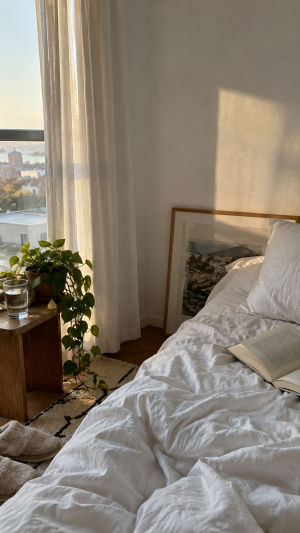
A bedroom should do more than hold a bed and a wardrobe. It is where we slow down after a busy day, prepare for the morning, and keep many everyday belongings within reach.
A comfortable bedroom does not require complicated decoration or an expensive renovation.
With thoughtful choices for colors, lighting, furniture, materials, storage, and layout, even a compact room can become a pleasant and practical space. Let’s look at several useful ideas that can make a bedroom easier to use and more comfortable every day.
<h3>Choose Calm Colors</h3>
Color is one of the simplest ways to change the atmosphere of a bedroom. Soft shades such as warm beige, light gray, pale blue, and other muted colors can create a quiet feeling without making the room look plain. The amount of natural light should also influence your choice. A darker room may work better with lighter walls, while a bright bedroom can handle slightly deeper tones.
You do not need to use one color throughout the room. Neutral walls can be paired with bedding, curtains, cushions, or artwork in a favorite shade. Keeping the main palette simple also makes it easier to update the room later.
<h3>Plan the Lighting</h3>
Lighting has a major effect on how a bedroom feels at different times of day. A bright ceiling fixture can provide general illumination, but relying on one light source may make the room feel harsh in the evening.
Instead, combine several types of lighting. A ceiling light can handle everyday tasks, while bedside lamps or wall lights can provide softer illumination. A floor lamp can also work well beside a chair or in a reading corner.
Adjustable lighting is particularly useful because the brightness can be changed according to the activity. Softer lighting in the evening can make the room feel more relaxed and comfortable.
<h3>Choose Suitable Walls and Floors</h3>
Walls and floors cover large areas, so their materials have a strong effect on the overall appearance of the room. Paint and wallpaper are both practical wall choices. Select a finish that is easy to maintain and works naturally with the furniture and textiles.
For flooring, wood, laminate, and other easy-to-maintain materials can provide a clean foundation. A small rug beside the bed can make the floor more pleasant underfoot and add warmth to the room.
Avoid using too many strong colors or busy patterns at once. A simpler combination usually makes it easier to create a balanced bedroom.
<h3>Select Furniture Carefully</h3>
Furniture should match both the room size and your daily needs. The bed is the main piece, so choose a size that leaves enough space for comfortable movement. Mattress comfort is also important, and personal sleeping preferences should be considered when making a choice.
Bedside tables provide convenient space for lamps, books, and other small items. A wardrobe should offer enough storage without blocking doors or windows. If there is sufficient room, a desk or dressing table can be useful, but avoid adding furniture simply because there is an empty corner.
For a smaller bedroom, furniture with drawers, shelves, or built-in storage can provide useful capacity without taking up unnecessary floor space.
<h3>Create a Practical Layout</h3>
A good layout makes everyday routines much easier. When possible, place the head of the bed against a solid wall and leave clear paths around the main furniture. Put the wardrobe somewhere that makes clothing easy to reach, and keep frequently used storage within convenient range.
Windows and doors should remain easy to open. Large furniture should not unnecessarily block natural light or make movement difficult. Before buying new pieces, measure the room and compare those measurements with the furniture dimensions. This simple planning step can prevent many layout problems.
<h3>Keep the Room Organized</h3>
Storage should be planned before the bedroom becomes cluttered. Wardrobe sections, bedside drawers, shelves, and storage boxes can each serve different purposes. Keep frequently used belongings within easy reach, while seasonal items can be stored in less accessible areas.
Decoration should also remain selective. A few framed pictures, plants, cushions, or personal objects can give the room character. Too many decorative pieces, however, may reduce useful space and make cleaning more difficult.
<h3>Final Thoughts</h3>
A comfortable bedroom is not created by filling every corner with furniture or decoration. It comes from making practical choices that support rest, movement, storage, and everyday routines. Calm colors can establish a pleasant base, layered lighting can improve flexibility, and carefully chosen furniture can make the room easier to use.
Most importantly, the design should reflect how the room is actually used. Start with the essentials, plan the layout carefully, and add decorative details gradually. A simple bedroom that works well in everyday life can remain comfortable and attractive for a long time.


