

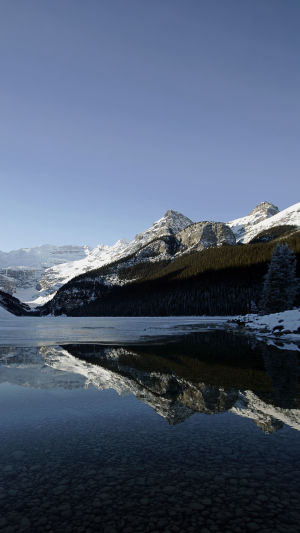
Hello, lake-bound travelers. Lake Louise rewards an early, carefully timed visit with turquoise water, glacier views, and several walks that begin beside the shore.
The lake is easy to recognize but less simple to organize during busy months. Parking is scarce, shuttle reservations matter, and the nearby trails vary sharply in length and climbing.
A thoughtful plan leaves more time for the water, mountains, and changing light.
<h3>Arrive Before the Rush</h3>
Parks Canada advises that lakeshore parking can fill by sunrise in summer. The seasonal parking charge is about US$29.70 per vehicle, so driving does not necessarily save money or time. The park-and-ride lot is free for shuttle passengers, while a standard return shuttle seat costs about US$9. A reservation fee adds roughly US$2.50 online, and the booked departure window should be treated as part of the day’s schedule.
Build extra time around the transfer rather than stacking several attractions into one morning. Carry the confirmation where it can be reached without a data connection, arrive before the stated check-in time, and note the final return departure. Weather can cool quickly near the glacier-facing end of the lake. A warm layer, rain shell, water, and simple meal make a delayed shuttle or longer walk easier to manage.
Lake Louise
<h3>Choose the Right Walk</h3>
The Lake Louise Lakeshore route runs about 2.3 kilometres each way with little climbing and normally takes around an hour one way. It gives steady views without committing to a steep ascent. Fairview Lookout is shorter at about 1.2 kilometres each way, but its 100 metres of gain make it more demanding than the distance suggests. It is a useful choice when time is limited and the path is dry.
For a longer outing, Lake Agnes is about 3.9 kilometres each way with roughly 495 metres of gain and usually needs two and a half to three hours return. Plain of Six Glaciers extends about 5.8 kilometres each way, gains around 595 metres, and commonly takes four hours return. Check trail conditions before choosing either route, start with enough daylight, and turn back when snow, ice, or poor visibility changes the footing.
<h3>Budget Beyond Admission</h3>
A daily Banff park pass costs about US$8.70 for one visitor, while a family or group pass is around US$17.30. Add either the shuttle and reservation charges or the lakeshore parking fee, then include meals and lodging. A couple using the shuttle would spend about US$29 before food when combining two park admissions, two shuttle seats, and one online reservation. The same couple arriving by car would pay about US$47 for admissions and parking.
Food prices near the lake can be higher than in a large town, so carrying breakfast or a packed meal creates flexibility. Visitors staying at Mountaineer Lodge can add its buffet for about US$17.70 per person, though buying groceries in the village may cost less. Keep a separate allowance for weather-driven changes, because an early return from a high trail may shift the day toward an indoor meal or an extra transfer.
<h3>Compare Three Practical Bases</h3>
Lake Louise Inn has appeared around US$307 per night for two including taxes and fees, with free self-parking and an indoor pool; it suits travelers who want village services, though breakfast terms depend on the rate. Mountaineer Lodge has appeared around US$213 per night for two including taxes and fees. It also offers free parking and sits close to village transport, but its breakfast is an added charge after June 2026.
Fairmont Chateau Lake Louise has appeared around US$522 per night for two including taxes and fees. Its lakeshore location suits visitors prioritizing immediate access, but self-parking adds about US$35 per day and breakfast is included only with selected packages. Compare cancellation rules, room inclusions, and shuttle plans across all three rather than choosing by the headline rate alone.
Lake Louise feels far calmer when arrival, trail length, and spending are decided before the morning begins. Choose one main walk, protect time for the shoreline, and let changing conditions set the final pace.


