

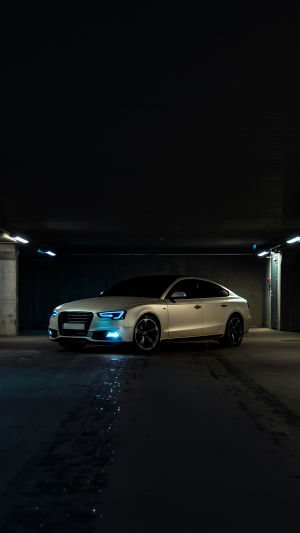
Driving after dark requires greater visual attention than daytime driving.
Reduced visibility, glare from headlights, and fatigue can make it harder to recognize hazards and respond quickly.
Good preparation and appropriate driving habits can make nighttime journeys more controlled and comfortable.
<h3>Keep the Windshield and Mirrors Clean</h3>
A clean windshield helps reduce reflections that can interfere with nighttime vision. Dust, fingerprints, and streaks may make headlights appear brighter and can obscure details on the road.
Keep the windshield, side mirrors, and rearview mirror clean so traffic, road markings, and surrounding conditions remain easier to see.
<h3>Check the Headlights</h3>
Make sure all headlights are working properly and producing consistent illumination. Dirty or cloudy headlight covers can reduce the amount of light reaching the road, while incorrectly aimed headlights may limit visibility or create glare for other drivers.
Clean the headlight covers regularly and have the alignment checked if the beams appear uneven or unusually high.
<h3>Use High Beams Responsibly</h3>
High beams can improve visibility on dark roads with little surrounding lighting. However, switch to regular headlights when approaching oncoming traffic or when following another vehicle closely.
When faced with bright headlights, avoid looking directly into the glare. Keep your attention on the road ahead and use the edge of your lane as a visual reference when necessary.
<h3>Match Speed to Visibility</h3>
Darkness can make hazards difficult to identify until they are relatively close. Curves, pedestrians, parked vehicles, animals, and changes in the road may be harder to detect at night.
Choose a speed that allows enough time to recognize and respond to hazards within the visible area ahead. Maintain an appropriate following distance, particularly on unfamiliar roads.
<h3>Control Interior Lighting</h3>
Bright dashboard displays and unnecessary cabin lights can become distracting at night. Set the instrument panel to a comfortable brightness and switch off interior lights that are not needed.
A darker cabin can make it easier to maintain attention on the road and surrounding traffic.
<h3>Take Fatigue Seriously</h3>
Driving while tired can reduce concentration and slow reactions. The risk can be greater during late-night journeys, when natural sleepiness may make it difficult to remain alert.
If you become drowsy, stop driving and take a proper break in a safe location. For longer journeys, plan rest stops before significant fatigue develops.
<h3>Adapt to Weather Conditions</h3>
Rain and fog can further reduce visibility after dark. Wet roads may reflect headlights and other lights, while fog can significantly shorten the distance you can see ahead.
When weather conditions deteriorate, reduce speed, increase following distance, keep the windshield clear, and use the appropriate vehicle lighting.
Nighttime driving requires careful attention to visibility, vehicle condition, speed, and alertness. Keeping the windshield and headlights clean, managing glare, adapting to weather, and avoiding driving when tired can help create a more controlled journey.
Good night-driving habits are not about eliminating every difficulty on the road. They are about recognizing reduced visibility and changing conditions early, then adjusting your driving accordingly.


