

Barcelona has everything that makes a European city break irresistible: extraordinary architecture, Mediterranean beaches, atmospheric markets, late dinners and neighbourhoods made for wandering. Yet its popularity has also created serious pressure on housing, public spaces and everyday life for residents.
Travelling responsibly does not mean missing the city’s biggest attractions. It simply means experiencing Barcelona in a way that feels better for both visitors and the people who call it home.
<h3>See The City Without Adding To Traffic</h3>
Barcelona is remarkably easy to explore without a car. Its metro and bus network covers almost every area a visitor is likely to need, while much of the historic centre is best discovered on foot.
A single one-zone public transport ticket costs €2.90. The T-casual pass, which includes 10 journeys, costs €13, while a T-dia ticket offering unlimited travel for one day costs €12.
Arriving by air is straightforward too. The L9 Sud metro line connects Barcelona Airport with the wider network, with an airport metro ticket costing €5.90.
Once in the centre, walking often reveals more than travelling underground. El Born’s narrow streets, the Gothic Quarter’s hidden squares and Eixample’s elegant blocks reward slow exploration.
<h3>Look Beyond The Busiest Streets</h3>
La Rambla and the Gothic Quarter deserve a visit, but Barcelona becomes far more interesting when you move beyond its most photographed corners.
Neighbourhoods such as Sant Antoni offer a more relaxed glimpse of daily life. The restored Sant Antoni Market is an excellent place to browse fresh produce, local ingredients and small food stalls without the constant crowds surrounding some central attractions.
Instead of relying entirely on international chains, choose independent bakeries, cafés, restaurants and family-run shops. Catalan cooking offers much more than familiar tapas, with seasonal vegetables, rice dishes, beans, cheeses and seafood appearing across local menus.
Spending locally does not just make a trip more distinctive; it also directs more visitor spending towards businesses rooted in the city.
Sant Antoni Market
<h3>Choose Accommodation Carefully</h3>
Where you stay matters in a city facing intense housing pressure. Barcelona has tightened its approach to tourist apartments, with plans to phase out existing short-term rental licences by 2028. For visitors, the safest option is to book regulated hotels, hostels or clearly licensed accommodation.
There is also no need to sleep directly beside La Rambla. Staying in a less crowded neighbourhood can offer quieter evenings, better-value cafés and a stronger sense of everyday Barcelona while still keeping major attractions within easy reach by metro.
<h3>Visit Famous Sights At Smarter Times</h3>
Responsible travel does not require skipping Gaudí.
Standard admission to the Sagrada Família costs €26 and includes the official audioguide. Entry including one of the towers costs €36, while a guided visit with tower access costs €40.
Book ahead and choose an early or later time slot rather than arriving at the busiest part of the day. You will spend less time surrounded by large groups and have more space to appreciate the extraordinary interior.
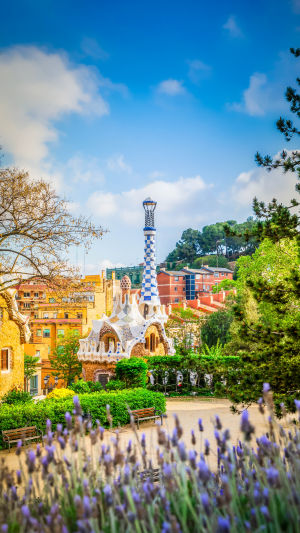
Park Güell costs €18 for general admission. Visiting earlier in the morning can make its terraces, mosaics and city views considerably more enjoyable.
Avoid trying to squeeze every landmark into one day. Barcelona rewards travellers who leave space between attractions for cafés, parks and unplanned walks.
<h3>Remember That People Live Here</h3>
Some of the easiest responsible-travel habits cost nothing. Keep beachwear for the beach, avoid blocking pavements for photographs and dispose of rubbish properly. Ask before photographing people, particularly in residential areas or markets.
A little Catalan can also make everyday interactions warmer. “Bon dia” means “good morning”, while “si us plau” means “please”.
These gestures may seem minor, but they help shift the experience from simply consuming a destination to engaging with it respectfully.
<h3>Travel Outside Peak Summer</h3>
Barcelona can be exhausting during the hottest and busiest weeks of summer. Late autumn, winter and early spring bring cooler temperatures, shorter queues and a calmer atmosphere.
For a comfortable mid-range visit, allow roughly €100–180 per person per day excluding accommodation. Public transport is inexpensive, but major sights quickly add to the budget: visiting the Sagrada Família and Park Güell alone starts at €44.
Barcelona is still one of Europe’s great city destinations. The most memorable version, however, is not necessarily the one built around rushing between famous landmarks. Slow down, spend locally, explore beyond the busiest streets and treat the city as a living place rather than a theme park — and Barcelona becomes far more rewarding.


