

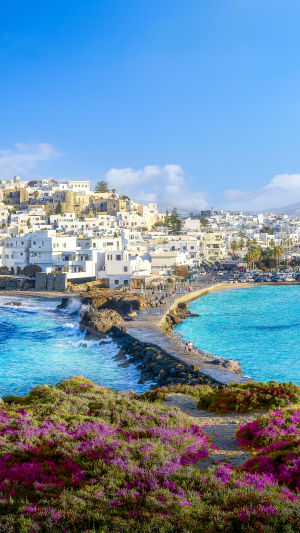
Europe’s most famous destinations are not the only places worth planning a trip around in 2027. Intrepid Travel’s latest “Not Hot List” highlights destinations that have enough infrastructure to welcome more visitors while remaining far less crowded than established tourism hotspots.
In Europe, three places stand out: the Greek island of Alonnisos, Latvia’s coastal city of Liepaja and Sweden’s lake-filled Dalsland region.
<h3>Alonnisos, Greece</h3>
Travellers looking for a quieter Greek island should consider Alonnisos in the Northern Sporades. The island received around 70,000 visitors in 2024 and can be reached only by ferry or private yacht, which helps keep visitor numbers below those of Greece’s most famous islands.
Its biggest attraction is the National Marine Park of Alonnisos and Northern Sporades, Europe’s largest protected marine area. Divers can also explore the Peristera shipwreck, Greece’s first underwater museum. A single Peristera wreck dive currently costs about €95, with a separate €50 entrance fee, while equipment beyond tanks and weights costs €20 if required.
Non-divers still have plenty to explore, including clear-water beaches, walking routes and Chora, the picturesque old settlement above the coast.
Getting there requires some planning. Current 2026 ferry fares from Skiathos to Alonnisos start from around €15.20 in economy class, while the crossing from Volos costs approximately €28.50 per each way.
<h3>Liepaja, Latvia</h3>
Liepaja is preparing for its biggest cultural year yet after being selected as a European Capital of Culture for 2027. More than 500 events are expected throughout the year, making this Baltic city particularly appealing for travellers interested in music, art and local culture.
The city also offers an 8km beach, providing a cooler alternative to crowded Mediterranean resorts during summer.
Liepaja remains relatively affordable. The permanent exhibition at Liepaja Museum costs €5 for adults, while a one-day combined ticket covering all museum branches is €15. From September to May, the museum opens Wednesday to Sunday from 10am to 6pm.
Local transport is inexpensive too. A 40-minute ticket bought in advance costs €1, a ticket purchased from the driver costs €1.50, and a 24-hour pass is €3. Visitors staying longer can buy a three-day pass for €6 or five days for €9.
Liepaja, Latvia
<h3>Dalsland, Sweden</h3>
For travellers who prefer lakes and forests to busy city sightseeing, Dalsland offers a completely different type of European escape. Often described as Sweden’s Lake District, the region contains more than 2,000 lakes and around 850km of gravel roads popular with cyclists.
Accessibility has also improved following the launch of a new rail connection between Malmö and Oslo in June 2026, making the wider region easier to incorporate into a Scandinavian itinerary.
Canoeing is one of the best ways to experience Dalsland. Current 2026 rental rates at Dals Långed start at approximately €31 per day for a single kayak or two-person canoe, while a three-person canoe works out at about €35 per day. Paddles and life jackets are included.
The attraction here is less about checking off famous landmarks and more about travelling slowly through forests, canals and quiet lakes.
These three destinations offer very different experiences, but they share one advantage: room to explore without the intense crowds found in many of Europe’s most famous holiday spots. For 2027, they provide convincing reasons to look beyond the usual city-break and island favourites.


