

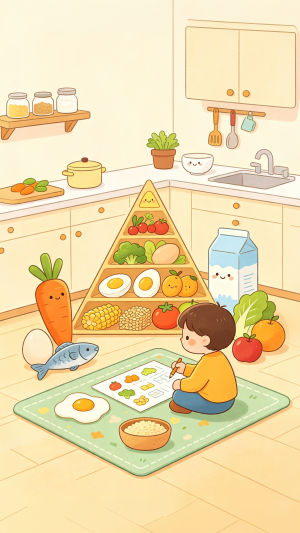
Healthy eating provides children with the energy and nutrients needed for growth, learning, physical activity, and overall health.
A balanced eating pattern does not need to be complicated. It should offer a variety of nutritious foods in age-appropriate portions while supporting healthy eating habits.
<h3>Why Nutrition Matters</h3>
Children's nutritional needs change throughout childhood as their bodies develop and activity levels vary. A balanced diet provides energy, protein, vitamins, minerals, fiber, and fluids that contribute to normal development and daily functioning.
“Good nutrition is the bedrock of child survival, growth and development.” — UNICEF.
Rather than focusing on perfection at every meal, caregivers can provide a consistent variety of nutritious foods over time.
<h3>Essential Food Groups</h3>
A balanced eating pattern includes foods from several major food groups, with each contributing different nutrients.
<b>Fruits and Vegetables</b>
Fruits and vegetables provide vitamins, minerals, fiber, and other beneficial compounds. Offering different types and colors throughout the week can increase dietary variety. Fresh, frozen, or appropriately prepared options can all be nutritious choices.
<b>Grains and Carbohydrate Sources</b>
Grains and other carbohydrate-rich foods provide energy for daily activities. Whole grains also provide fiber and various vitamins and minerals. Suitable choices include oatmeal, whole-grain bread, brown rice, and whole-grain pasta.
<b>Protein-Rich Foods</b>
Protein contributes to growth and maintenance of body tissues. Nutritious sources include eggs, fish, poultry, beans, lentils, tofu, nuts, and nut butters when age-appropriate and safely prepared.
<h3>Dairy and Fortified Alternatives</h3>
Milk, yogurt, and cheese can provide protein, calcium, and vitamin D, depending on the product. Children who do not consume dairy may use suitable fortified alternatives when appropriate. Product labels can help caregivers compare nutritional content.
For infants younger than 12 months, feeding recommendations differ from those for older children, with human milk or infant formula generally serving as the primary source of milk nutrition.
<h3>Key Nutrients</h3>
A varied diet can supply many nutrients important for children's development.
<b>Protein</b>: Supports growth and maintenance of body tissues.
<b>Iron</b>: Contributes to hemoglobin production and normal neurological development. Sources include beans, lentils, fortified cereals, fish, poultry, and other iron-rich foods.
<b>Calcium and vitamin D</b>: Contribute to the normal development and maintenance of teeth and the skeletal system.
<b>Fiber</b>: Supports normal digestive function and is found in fruits, vegetables, whole grains, beans, lentils, nuts, and seeds.
Children following restricted diets or those with specific nutritional needs may benefit from individualized dietary assessment.
<h3>Building Balanced Meals</h3>
Meal planning can be simple. A balanced meal may combine:
- A fruit or vegetable
- A grain or other carbohydrate source
- A protein-rich food
- A suitable dairy food or fortified alternative
- Water
For example, oatmeal with fruit and yogurt can make a balanced breakfast. Lunch could include whole-grain bread, egg, vegetables, and fruit. Dinner might combine fish or beans with rice and vegetables.
Nutritious snacks such as fruit, yogurt, vegetables with a suitable dip, or appropriately prepared nuts and seeds can complement regular meals.
<h3>Healthy Eating Habits</h3>
Children's appetites naturally vary. Caregivers can offer age-appropriate portions and allow children to respond to hunger and fullness cues.
Helpful practices include:
- Offering a variety of foods regularly
- Pairing unfamiliar foods with familiar choices
- Keeping consistent meal and snack routines
- Involving children in age-appropriate food preparation
- Modeling balanced eating habits
- Keeping water readily available
<h3>Foods and Drinks to Limit</h3>
Foods and drinks high in added sugar or sodium should be offered less often and should not routinely replace nutritious choices. Examples include sugary drinks, sweets, highly processed snacks, and foods containing substantial amounts of added sugar or sodium.
<h3>When Professional Guidance Is Appropriate</h3>
Most children can meet their nutritional needs through a varied eating pattern. Individual guidance may be appropriate for children with highly restricted diets, multiple food allergies, persistent feeding difficulties, or conditions that affect nutritional intake.
A pediatric healthcare professional or registered dietitian can assess a child's dietary needs and determine whether dietary adjustments or supplements are appropriate.
Healthy eating for children is built on variety, balance, and adequate nutrition. Offering nutritious foods from different food groups, maintaining consistent meal routines, and supporting age-appropriate eating habits can help children develop a balanced approach to food while meeting their nutritional needs throughout childhood.


