

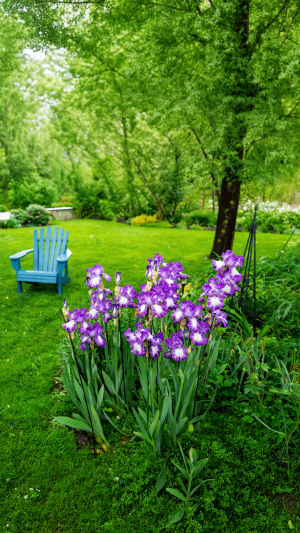
A plain lawn can provide a clean starting point, but it does not have to remain a wide area of grass. With thoughtful planting and a few simple design choices, part of the lawn can become a welcoming front garden filled with color, texture, and seasonal interest.
The best transformations do not require covering every available area with plants. Instead, the goal is to create a balanced arrangement that looks attractive while remaining practical to maintain.
<h3>Start With a Simple Garden Plan</h3>
Before removing any grass, look at the entire front area and decide what should remain open. A lawn does not need to disappear completely. Keeping some grass can provide visual breathing room and make the planted sections stand out.
Consider where the entrance, walkway, windows, and existing trees or shrubs are located. These features can help determine where planting beds would look most natural.
A simple curved bed can soften a very square lawn, while a straight-edged garden can complement a home with clean architectural lines. Mark the planned area with a hose, rope, or garden stakes before digging. This makes it easier to adjust the shape before making permanent changes.
<h3>Choose Plants for the Conditions</h3>
Plant selection should begin with the conditions in the garden rather than appearance alone. Check how much sunlight the area receives and consider the soil and typical moisture levels.
Plants that naturally suit the available conditions generally require less adjustment than varieties placed in an unsuitable location. Consider a mixture of plants with different heights, shapes, and flowering periods to keep the garden interesting.
Think about the mature size of every plant before placing it. A small plant at a garden center can eventually become much larger, so leaving enough room for future growth helps prevent overcrowding.
<h3>Create Layers With Different Heights</h3>
A garden can look flat when every plant is the same height. Using several levels creates depth and makes the planting area more visually interesting. Taller shrubs or plants can form a background layer, while medium-sized varieties fill the middle. Lower flowers or ground-covering plants can sit near the front edge.
<h3>Add Color Without Making It Busy</h3>
Color can completely change the appearance of a front garden, but using too many competing shades may make the area feel disorganized. Choose a small group of complementary colors and repeat them in different parts of the planting bed.
Flowers are an obvious way to add seasonal color, while foliage provides structure between flowering periods. Plants with different leaf shapes can also create visual variety without relying entirely on blooms. Repeating certain plants can make separate areas feel connected. Instead of placing one of every available variety in a single bed, use groups of the same plant for a more cohesive appearance.
<h3>Define the Garden Edges</h3>
Clear edges can make a new garden look finished. A border between the planting bed and lawn helps prevent grass from gradually spreading into the garden area and gives the design a cleaner outline. Edging can be created with stones, bricks, metal edging, or other suitable landscape materials. The best choice depends on the style of the home and the overall garden design.
<h3>Include a Practical Path</h3>
A beautiful garden should still be easy to use. If the front entrance crosses the garden area, make sure the walkway remains clear and comfortable. Stepping stones or a defined path can guide movement while becoming part of the design. Keep plants from spreading across walking areas, particularly varieties that become wide as they mature.
<h3>Plan for Ongoing Maintenance</h3>
A garden should fit the amount of time available for maintenance. Choosing plants suited to the local growing conditions can make care easier, while grouping plants with similar watering needs can simplify routine tasks. Do not feel pressured to fill every empty space immediately. Starting with fewer plants allows room to see how they grow and make adjustments later.
Turning a plain lawn into a front garden is less about adding as many plants as possible and more about creating a thoughtful arrangement. By designing with future growth and maintenance in mind, the garden can remain attractive without becoming unnecessarily difficult to manage.


