

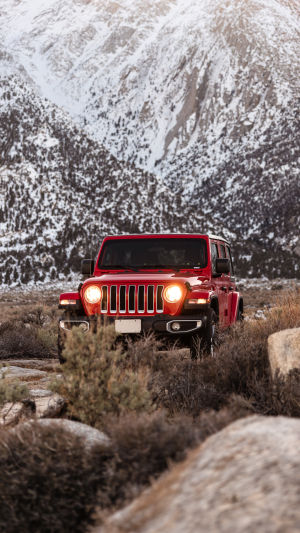
Hi and welcome back. This guide examines the mechanical components and traction management systems that allow off-road SUVs to navigate harsh environments and deep snow. Modern off-road utility vehicles rely on mechanical 4x4 systems and locking differentials to maintain forward momentum on uneven surfaces.
The Jeep Wrangler Rubicon utilizes a specialized Rock-Trac transfer case that delivers equal power to the front and rear axles. When traction becomes limited on ice or loose gravel, the driver can engage the electronic locking differentials. This action forces both wheels on an axle to spin at the same speed, preventing a single wheel from spinning freely.
The Ford Bronco equipped with the Sasquatch package also includes front and rear electronic lockers. These systems provide necessary traction when navigating deep snow or rocky paths. The Toyota 4Runner TRD Pro features a locking rear differential combined with Multi-Terrain Select, a system that adjusts throttle response and brake pressure based on the terrain type. Drivers must ensure the vehicle operates in the correct four-wheel-drive mode before engaging differential locks.
<h3>Ground Clearance and Trail Angles</h3>
Physical dimensions determine an SUV's ability to clear obstacles and travel through deep snow. Ground clearance indicates the distance between the lowest component of the vehicle and the driving surface. The Jeep Wrangler Rubicon provides 12.9 inches of ground clearance and a 47.4-degree approach angle when equipped with the Xtreme 35 package. This high clearance prevents the chassis from dragging on rocks or packed snow.
The Ford Bronco with the Sasquatch package delivers 11.5 inches of ground clearance and a 43.2-degree approach angle. The Toyota 4Runner TRD Pro offers a steady 9.6 inches of clearance and a 33-degree approach angle. The Land Rover Defender provides a different mechanical approach by using an electronic air suspension system. The driver can select an off-road height setting that increases maximum ground clearance to 11.5 inches and the approach angle to 38 degrees.
<h3>Suspension Flexibility and Axle Articulation</h3>
Suspension design affects how well an SUV keeps its tires in contact with the ground. The Jeep Wrangler Rubicon maintains solid front and rear axles. This design allows for high axle articulation, meaning one wheel can drop deeply into a rut while the opposite wheel moves upward into the wheel well. The Wrangler also features an electronic front sway bar disconnect mechanism that gives the front axle additional vertical movement.
The Ford Bronco utilizes an independent front suspension combined with a solid rear axle. This setup improves on-road driving dynamics while maintaining off-road traction. The Land Rover Defender uses a fully independent suspension at all four wheels. When negotiating severe terrain, the air suspension automatically compensates for uneven ground.
<h3>Cold Weather Performance and Traction Maintenance</h3>
Off-road SUVs require specific preparations and mechanical features to operate in sub-zero temperatures. Their high clearance helps them push through heavy snowdrifts that would stop standard passenger cars. Four-wheel-drive systems continuously manage power distribution to prevent wheel slip on icy roads. The tires installed on trims like the TRD Pro and Rubicon feature deep tread patterns and soft rubber compounds designed to grip frozen surfaces.
Winter visibility is maintained through heated exterior mirrors, strong climate control systems, and heavy-duty windshield wipers. Advanced traction control systems apply brake pressure to individual wheels when they detect slipping on ice. Modern off-road vehicles may feature Level 2 driving assistance systems, but drivers must remain fully engaged, as these systems do not constitute self-driving capability. Drivers should always consult the owner manual for the recommended cold-weather tire pressure and fluid specifications before winter driving.
So, can snow stop these SUVs? Deep drifts, ice, and rough trails can certainly challenge them, but the right 4x4 system, tires, ground clearance, and suspension give these vehicles a serious advantage. Still, even the toughest SUV has its limits, and good hardware never replaces careful winter driving.


