

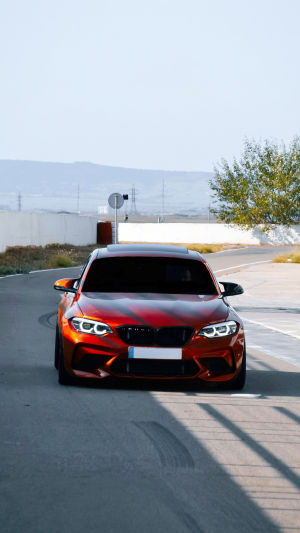
City driving places unique demands on a vehicle. Congested streets, limited parking, frequent stops, and short daily trips reward practicality far more than size or power.
The ideal urban car should be easy to maneuver, economical to operate, comfortable in traffic, and simple to park.
For most commuters, a compact city car is the strongest overall choice. Designed specifically for dense urban environments, these vehicles focus on efficiency, visibility, and everyday convenience.
<h3>Easy to maneuver</h3>
One of the greatest advantages of a city car is its compact size. A smaller footprint makes it easier to navigate narrow streets, crowded intersections, and busy parking areas. Tight turning circles allow quicker direction changes and reduce the effort required during low-speed driving.
In daily commuting, this translates into a calmer and more confident driving experience, especially in areas where traffic is heavy and space is limited.
<h3>Efficient for short trips</h3>
Urban travel rarely involves long periods of steady highway driving. Instead, it consists of frequent acceleration, braking, and waiting at traffic lights. Compact cars are well suited to these conditions because they typically use less fuel or energy than larger vehicles.
Many modern city cars are equipped with efficient small engines or electric powertrains, helping reduce running costs while still providing more than enough performance for everyday travel.
<h3>Parking with less stress</h3>
Parking is often the biggest challenge in a city. A shorter vehicle can fit into smaller spaces and is easier to position accurately. This saves time, reduces frustration, and makes quick stops for errands or appointments far more convenient.
Manufacturers also design many city cars with upright cabins and smart interior layouts, allowing them to offer useful passenger and cargo space despite their compact exterior dimensions.
<h3>Practical features</h3>
Most city cars use a hatchback design because it maximizes interior flexibility. Folding rear seats, wide tailgate openings, and clever storage areas make them surprisingly practical for shopping, commuting, and carrying everyday items.
Front-wheel drive is the most common configuration, providing good traction, efficient packaging, and predictable handling in urban conditions.
<h3>Comfort matters too</h3>
A good commuter car should not only be efficient; it should also be pleasant to use every day. Modern city cars often include features such as air conditioning, smartphone connectivity, parking sensors, rear cameras, and driver-assistance systems, depending on the model.
These features improve convenience and reduce fatigue during repeated daily journeys.
<h3>Why smaller often wins</h3>
In a city, the goal is not maximum speed. The real priorities are convenience, efficiency, and ease of use. Large vehicles can offer more space, but they also require more room to maneuver and park.
For many drivers, a compact car provides the best balance between interior usability and urban practicality. It is easier to handle in traffic, cheaper to operate, and better suited to the realities of daily commuting.
<h3>Who is it best for?</h3>
City cars are especially well suited to solo commuters, couples, students, and small households whose driving is concentrated in built-up areas. They are ideal for office trips, shopping, school runs, and short cross-town journeys.
Drivers who regularly travel long distances or need substantial cargo capacity may benefit from a larger vehicle, but for predominantly urban use, a compact city car is often the most efficient and practical option.
The best car for city driving is the one that makes everyday travel effortless. Compact city cars excel because they combine easy maneuverability, low running costs, practical interior space, and stress-free parking in a package designed for urban life.
If your daily routine involves traffic lights, crowded streets, and limited parking, a well-chosen city car can make commuting smoother, more economical, and significantly more comfortable.


