

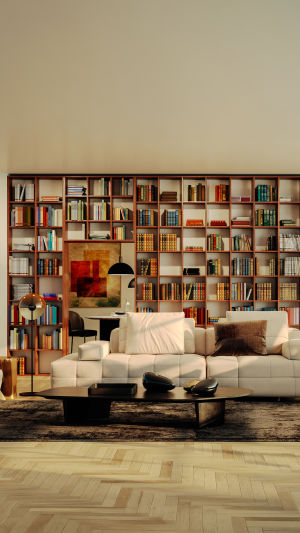
Hi, Readers! A living room can feel like a group photo where one person stands way too close to the camera. The sofa looks grand, the table looks eager, and suddenly the whole space feels awkward.
Getting a sofa and coffee table to work together is really about proportion, spacing, and how people actually move through the room.
When these two pieces match well, the room feels easy, balanced, and comfortable instead of looking like furniture got dropped in by chance.
A good starting point is length. A coffee table usually looks best when it is about two-thirds the length of the sofa. That simple rule works like good seasoning in a home recipe, not flashy, just right. If the table is too tiny, it can look lost. If it is too long, it starts stealing the sofa's spotlight and can make the room feel cramped. Width matters too, but the real goal is function. You want enough surface area for daily use without turning the center of the room into an obstacle course.
<h3>Get the height right</h3>
The height of the coffee table should be close to the height of the sofa seat, or slightly lower. This helps everything feel visually connected and also makes the table easier to use. Reaching for a cup or a book should feel natural, not like a mini stretching exercise. If the table is much higher than the seat, it can feel clunky. If it is much lower, it may look stylish in a photo but less practical in everyday life.
<h3>Leave breathing room</h3>
Spacing is where many living rooms either shine or stumble. A common guideline is to leave about 16 to 18 inches between the sofa and the coffee table. That gives enough room for legs to move comfortably while keeping the table within easy reach.
Around the outer edges, allow enough space for walking paths so people can move through the room without weaving around furniture. The room should feel open and calm, not like a maze built by an overexcited decorator.
<h3>Match the room, not just the sofa</h3>
Shape plays a bigger role than many people expect. A rectangular coffee table often works well with a standard long sofa because the lines echo each other nicely. A round or oval table can be helpful in smaller spaces or in rooms where you want softer flow and easier movement. Those curved edges are the friendly neighbors of furniture design, easier to live with in tight layouts and often better for homes where people move around a lot.
<h3>Think about layout and use</h3>
The best pairing depends on how the living room is used. If the sofa faces a television or serves as the main lounging spot, the coffee table should support everyday needs like setting down drinks, books, or remote controls. If the room is used more for conversation, the table should help keep seating connected without dominating the middle.
In larger rooms, nesting tables or an upholstered padded footstool can also work if they keep the same general proportion and spacing principles in place.
<h3>Balance style with comfort</h3>
Materials and visual weight matter too. A bulky sofa paired with a heavy, chunky table can make the room feel overloaded. On the other hand, a slim table with a substantial sofa can create a nice balance. Glass can look lighter, while wood often feels warmer and more grounded. The trick is not to make everything match perfectly, but to make the pieces feel like they belong in the same conversation.
In the end, pairing a sofa and coffee table is less about strict decorating drama and more about everyday comfort. Keep the table around two-thirds the sofa's length, make the height close to the seat, and leave enough space to move with ease. If the room feels balanced and easy to live in, you have already won. So take a fresh look at your layout and let your living room breathe a little.


