

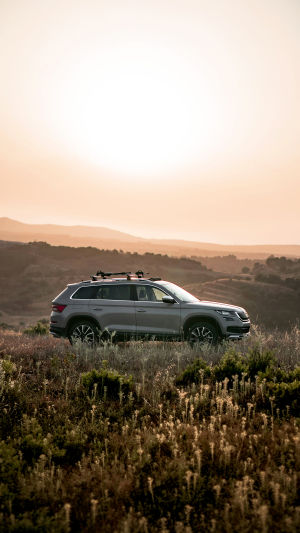
Hi, Readers! SUVs are a bit like those chunky all-purpose shoes in your closet. They look ready for anything, promise comfort, and make a lot of people feel more confident the moment they step in.
The name SUV stands for sport utility vehicle, and that already hints at the sales pitch: a vehicle that mixes passenger comfort with utility features such as a higher seating position, flexible cargo room, and, in many cases, off-road capability or all-wheel drive.
But like any do-it-all machine, SUVs come with trade-offs. Some are excellent family haulers, some are rugged trail companions, and some are really just taller passenger cars wearing hiking boots for style.
<h3>Why People Like SUVs</h3>
One of the biggest advantages of an SUV is the higher ride height. Drivers often like the more commanding view of the road, which can make everyday driving feel easier and less stressful. Entry and exit can also feel more convenient for many people because the seating position is higher than in many sedans. Then there is interior flexibility. SUVs usually offer a roomy cabin, a hatch-style rear opening, and foldable rear seats, which makes carrying luggage, groceries, sports gear, or bulky household items much simpler.
For families, that cargo versatility is often the star of the show. Many SUVs also offer optional or standard all-wheel drive, which can improve traction on slippery roads or rough surfaces. In short, they appeal to people who want one vehicle that can juggle commuting, road trips, errands, and outdoor use without acting fussy.
<h3>Utility and Capability</h3>
Another major plus is that many SUVs are designed with utility in mind. Compared with smaller passenger cars, they may provide more ground clearance and a stronger sense of readiness for uneven roads. Some models are built for serious off-road use, while many others simply handle poor road conditions better than lower vehicles. Towing is another reason people choose them.
Certain SUVs can tow trailers, boats, or recreational gear, which makes them useful for people with active hobbies or frequent hauling needs. Even for owners who never leave paved roads, the extra cargo room and adaptable seating can make daily life feel less like a game of suitcase Tetris.
<h3>The Downsides You Should Know</h3>
Now for the other side of the coin. SUVs are typically heavier and taller than sedans or hatchbacks, and that affects how they drive. They often use more fuel than smaller cars, especially larger models. Their size can also make parking and maneuvering in tight city spaces more annoying, like trying to fit a large suitcase into an overhead bin that clearly had other plans. Handling can be less nimble too.
A taller body usually means a higher center of gravity, which can reduce the sharp, planted feel that many smaller cars offer in corners. Some people love the lofty feel, while others find it less stable or less responsive compared with lower vehicles.
<h3>Cost and Practical Trade-Offs</h3>
Price is another factor. SUVs can cost more to buy than comparable passenger cars, and the extra size may also mean higher running costs in fuel, tires, and maintenance. Insurance can be higher too, depending on the model. And while the tough image is part of the appeal, not every SUV is truly built for rough terrain. Many modern models are crossover SUVs, which are based more closely on passenger car platforms.
That usually improves comfort and efficiency, but it also means the badge alone does not guarantee rugged capability. So if someone buys an SUV expecting mountain-goat talent and ends up with a comfy road cruiser, disappointment can arrive pretty quickly.
SUVs are wonderfully versatile machines, but they're not magical solutions for every driver. Their appeal lies in that sweet spot between passenger comfort and practical utility – a balance that works brilliantly for some lifestyles and falls short for others. Before you buy, ignore the marketing hype and ask yourself one honest question: what does my weekly routine actually demand?
If the answer involves cargo space, family trips, or rough roads, an SUV might be your perfect match. If it's mostly city commuting and tight parking, consider something smaller. Choose wisely, drive happily.


