

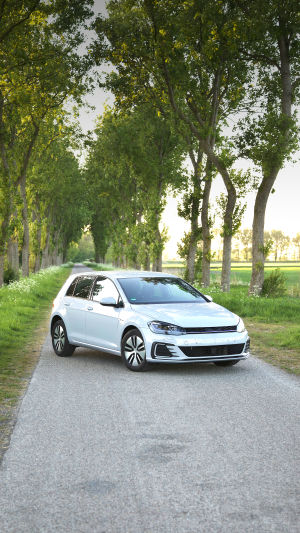
Owning a car involves more than paying for it once. Fuel, tires, maintenance, and everyday wear gradually increase the total cost of ownership, especially for people who drive frequently.
The good news is that meaningful savings often come from simple habits rather than expensive upgrades.
A smoother driving style and consistent maintenance can improve efficiency, reduce mechanical stress, and help a vehicle remain dependable for longer.
<h3>Accelerate Smoothly</h3>
Gentle acceleration allows the engine to work more efficiently than rapid starts. Pressing the accelerator steadily can reduce unnecessary fuel use while creating a smoother and more comfortable driving experience.
<h3>Maintain a Consistent Speed</h3>
Frequent changes in speed can increase fuel consumption and add unnecessary wear to the brakes and transmission. When traffic conditions permit, maintaining a steady pace can improve efficiency. Looking ahead and anticipating traffic lights, curves, and slower vehicles can also reduce unnecessary acceleration and hard braking.
<h3>Keep Tires Properly Inflated</h3>
Underinflated tires create additional rolling resistance, making the engine work harder. Checking tire pressure regularly and keeping it at the recommended level can improve fuel economy, extend tire life, and support better handling.
<h3>Remove Unnecessary Weight</h3>
Carrying items that are not needed increases the energy required to move the vehicle. Tools, sports equipment, boxes, and other unused cargo can gradually increase fuel consumption. Removing excess weight is a simple way to improve efficiency without changing the vehicle itself.
<h3>Follow Routine Maintenance</h3>
Regular maintenance is essential for controlling long-term ownership costs. Clean air filters, fresh engine oil, properly functioning spark plugs, and timely inspections help the engine operate efficiently. Addressing routine maintenance needs promptly can also help prevent more costly repairs.
<h3>Use Air Conditioning Thoughtfully</h3>
Air conditioning requires engine power, particularly during slow city driving. In hot weather, it can provide important comfort, but using it thoughtfully may help limit additional fuel consumption. At lower speeds, moderate ventilation may be sufficient, while fully open windows at higher speeds can increase aerodynamic drag.
<h3>Combine Short Trips</h3>
Engines are generally less efficient when they are cold. Several separate short trips can use more fuel than one combined journey covering the same total distance. Planning errands together reduces repeated cold starts and gives the engine more opportunity to reach its normal operating temperature.
<h3>Focus on Long-Term Efficiency</h3>
Saving money on driving rarely depends on one major change. Instead, it comes from practical habits that are followed consistently. Smooth acceleration, steady speeds, proper tire pressure, routine maintenance, and efficient trip planning can all contribute to lower fuel use and reduced component wear.
Efficient driving is about consistency, not drastic changes. Smooth acceleration, steady speeds, correct tire pressure, regular maintenance, and thoughtful trip planning can reduce fuel use and help a vehicle remain reliable for longer. Over time, these simple habits can make a noticeable difference in both running costs and everyday driving comfort.


