

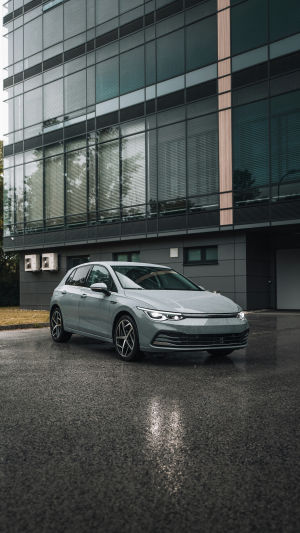
Buying a car without a test drive is similar to choosing shoes based only on a photograph. The design may look appealing, but the real experience begins when you use it in everyday conditions.
A vehicle can appear spacious, well equipped, and impressive on paper, yet feel uncomfortable, noisy, or unsuitable once you sit behind the wheel.
For this reason, a test drive is not merely an optional step. It is one of the most valuable parts of making a confident purchase decision.
<h3>What a Test Drive Reveals</h3>
A test drive allows you to evaluate how a vehicle behaves on the road rather than relying solely on specifications and marketing materials. It helps you assess steering response, braking performance, ride comfort, visibility, seating position, and the ease of using the controls.
Technical details can describe the engine, features, and dimensions, but they cannot show whether the cabin feels comfortable during a commute or whether the suspension suits the roads you use most often. The goal is not only to understand the car’s features, but also to determine whether it fits your daily life.
<h3>Why It Matters Before You Buy</h3>
Vehicles that look similar in a showroom can feel very different once they are driven. One may feel smooth and effortless in traffic, while another may be less comfortable in tight spaces or during parking.
A test drive helps you judge practical details such as ease of entry and exit, rear-seat comfort, cargo space, blind spots, and the overall layout of the controls. It can also reveal concerns that are difficult to notice when the car is stationary, including excessive road noise, firm seating, or a touchscreen system that is not intuitive to operate while driving.
These factors often have a greater impact on long-term satisfaction than many of the features highlighted in a brochure.
<h3>What to Check During the Drive</h3>
Approach the test drive methodically. Adjust the seat and mirrors correctly, drive on urban roads if possible, and pay attention to acceleration, braking, visibility, and parking ease.
Consider whether your usual passengers, bags, or child seat would fit comfortably. Take a moment to use the infotainment and climate controls without rushing. If the seller allows it, drive on different road surfaces to understand how the vehicle handles bumps, corners, and changes in speed.
Even a short drive can reveal whether the car feels natural and comfortable or whether something seems inconvenient from the start.
<h3>Is It Absolutely Necessary?</h3>
A test drive is not generally a legal requirement when purchasing a car, but skipping it increases the risk of disappointment after the purchase. Buyers who are already familiar with the same model may feel more confident buying without driving it first, although trim level, condition, and maintenance history can still influence the experience.
For a new model or an unfamiliar vehicle, a test drive is strongly recommended. A few minutes spent evaluating the car before purchase can prevent costly dissatisfaction later.
<h3>When It Becomes Most Important</h3>
The value of a test drive increases when comparing several vehicles, buying a used car, or planning to keep the vehicle for many years.
In a used car, the drive may reveal vibrations, unusual noises, alignment problems, or braking issues. For a family vehicle, it helps confirm that access, seating space, and storage areas work for everyday routines. If you spend many hours commuting, seat comfort, driving position, and cabin quietness become especially important.
Small details that seem minor in a showroom often become significant when experienced every day.
Whenever possible, test drive a car before making a purchase. It is the most reliable way to confirm that the vehicle matches your comfort, driving style, and practical needs.
A car may look excellent under showroom lights, but real roads provide the clearest assessment of its performance and usability. Taking the time to drive the vehicle, explore its controls, and evaluate its comfort can lead to a decision that remains satisfying long after the purchase is complete.


