

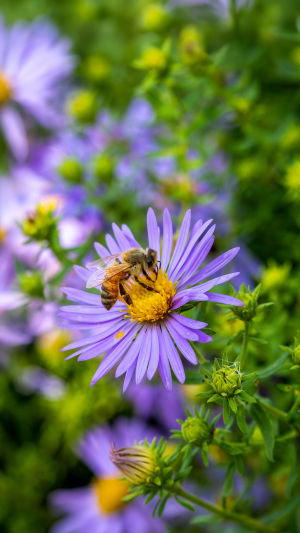
Hi, Readers! A quieter field may not look alarming at first, yet the absence of busy pollinators can unsettle far more than a garden.
Bees are central to the movement of pollen that lets many crops form fruits, seeds, and marketable harvests. When bee numbers fall, the effects do not stay on the farm.
They move through supply chains, markets, diets, and rural livelihoods, creating a broad challenge for the food system.
Many of the foods people rely on for variety and nutrition depend on animal pollination, and bees are among the most important contributors. Crops such as apples, berries, melons, squash, and almonds benefit strongly from bee activity.
Without enough pollination, plants may produce fewer fruits, smaller yields, and lower-quality harvests. That means growers are not only facing reduced volume, but also a decline in the consistency that retailers and processors expect. For farms already operating with narrow margins, that instability can quickly become costly.
<h3>Lower Yields, Narrower Supply</h3>
When bee populations decline, one of the first consequences is reduced crop productivity. Some crops can still produce something through wind or self-pollination, but many perform much better when bees are present in sufficient numbers.
The gap between a partially pollinated crop and a well-pollinated one can be substantial. Farmers may see fewer fruits per plant, more misshapen produce, and uneven ripening. Those outcomes reduce the amount of food entering the market and can also lower the share of produce that meets retail standards.
This contraction in supply does not affect all foods equally. Staple grains are less dependent on bees than many fruits, nuts, and vegetables. As a result, a decline in bee activity can reshape what is available on shelves rather than simply reducing total calories.
The food system may still provide enough basic energy, yet offer fewer nutrient-rich foods that support balanced diets. That distinction matters because food security is not only about volume. It is also about quality, diversity, and reliable access.
<h3>Higher Prices and Economic Pressure</h3>
Once supply tightens, prices often respond. Fruits, nuts, and vegetables that rely more heavily on pollination can become more expensive when harvests shrink. Consumers notice this at the store, but the pressure starts much earlier.
Farmers may need to spend more on pollination services, adjust planting decisions, or absorb losses from poor fruit set. Businesses that sort, pack, transport, and sell these crops also face disruptions when volumes fluctuate.
For lower-income households, rising prices for pollination-dependent foods can lead to difficult trade-offs. People may shift toward cheaper, less varied options if fresh produce becomes harder to afford. In that way, bee decline can contribute indirectly to poorer diet quality.
The consequences are economic and nutritional at the same time, which is why pollinator loss is not a niche environmental issue. It reaches deeply into daily life.
<h3>Nutrition and Crop Diversity</h3>
A food system with fewer pollinators tends to become less diverse. Bees support many crops that provide vitamins, minerals, and other valuable nutrients. If these foods become scarcer or more expensive, dietary patterns may narrow.
That is especially concerning in places where fresh produce already faces seasonal or affordability constraints. Even modest reductions in availability can matter when families are choosing among limited options.
Crop diversity on farms can also suffer. Growers may move away from pollination-dependent crops if production becomes too unpredictable, concentrating instead on less risky alternatives. This can reduce biodiversity in agricultural landscapes and make local economies less varied.
Over time, the system becomes more simplified, and simplified systems are often less resilient when facing environmental or market stress.
<h3>Ripple Effects Across the System</h3>
The decline of bees creates a chain reaction. Farm income can weaken, rural employment linked to harvesting and packing can become less stable, and food businesses may struggle with inconsistent supply.
Researchers and conservation groups have also noted that pollinators support a large share of flowering plants more broadly, so the issue extends beyond cultivated fields. Healthy ecosystems help sustain agriculture, and agriculture in turn depends on those ecological functions.
Protecting bees therefore has practical value for food system stability. Measures such as preserving habitat, planting flowering resources, and reducing harmful pressures on pollinators can help strengthen agricultural output over time. These steps are not only about conserving nature. They are also about supporting the conditions that keep diverse foods available and farms productive.
The quiet hum of bees is more than background noise—it's the sound of our food system working. When that hum fades, the consequences ripple far beyond the farm gate. They reach our shopping carts, our dinner tables, and our budgets.
Protecting pollinators isn't just an environmental cause; it's an investment in affordable, nutritious, and diverse food for everyone. Small actions—planting bee-friendly flowers, reducing pesticide use, supporting habitat restoration—can collectively safeguard both these remarkable insects and the meals we often take for granted.


