

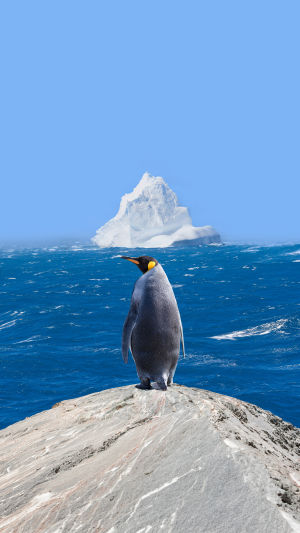
Do you know, Lykkers? Penguins live in some of the coldest places on Earth, where freezing winds sweep across icy landscapes and ocean temperatures can feel impossible to survive.
Their survival is not based on one simple trick. Penguins combine several natural adaptations, from specially designed feathers to unique body systems that help them preserve heat.
<h3>A Layer of Protection Built for Antarctica</h3>
One of the most important ways penguins stay warm is through their feathers. Unlike many birds that have fewer, larger feathers, penguins have thousands of tiny feathers packed closely together across their bodies. This dense feather covering creates a protective barrier that blocks cold air and slows down heat loss.
Penguin feathers are also coated with natural oils that help make them waterproof. Before entering the ocean, penguins carefully groom their feathers, spreading these oils across the surface. This process keeps water from reaching the skin and helps maintain a dry layer beneath the feathers. A wet feather coat would quickly remove warmth, making survival much harder in icy seas.
Beneath this feather layer, penguins have a thick layer of insulation that helps trap heat close to their bodies. This natural protection is especially important for species such as the Emperor penguin, which can face some of the harshest winter conditions on the planet.
How Does Huddling Help Penguins Stay Warm? | BBC Earth
BBC Earth
<h3>The Clever Design of Penguin Bodies</h3>
Penguins are built to reduce unnecessary heat loss. Their rounded shape helps them keep warmth because a compact body has less surface area exposed to the cold environment compared with a longer, thinner shape. Their wings have also changed through evolution. Instead of being designed for flight through the air, penguin wings have become powerful flippers used for swimming. While this adaptation helps them move efficiently underwater, it also contributes to their cold-weather lifestyle because their strong swimming ability allows them to find food in freezing seas.
Even their legs and feet have special features. Penguin feet are often exposed to ice and snow, but they contain a clever heat-control system. Warm blood traveling toward the feet transfers some heat to colder blood returning from the feet. This process helps reduce heat loss while still allowing penguins to stand and walk on frozen surfaces.
<h3>Staying Warm While Swimming in Icy Water</h3>
The ocean around Antarctica can be colder than the air, creating a major challenge for marine animals. Penguins solve this problem with a combination of waterproof feathers, insulation, and controlled blood circulation. When a penguin dives into cold water, its feather layer traps tiny spaces of air that provide extra protection. The bird can also adjust blood flow to different areas of the body, sending more warmth where it is needed most while limiting heat loss in exposed areas such as the flippers and feet.
Emperor penguins show one of the most impressive examples of cold adaptation. During Antarctic winters, they gather together in large groups called huddles. Thousands of penguins stand close together, creating a shared shield against powerful winds and freezing temperatures. Individuals slowly move through the group, allowing different penguins to take turns in warmer and more protected positions.
<h3>Energy Management in Extreme Conditions</h3>
Surviving the cold requires more than physical protection. Penguins must carefully manage their energy because staying warm in freezing environments requires constant effort. During winter breeding periods, Emperor penguins face a particularly difficult challenge. Males protect the eggs while standing on the ice for weeks without feeding. They rely on stored energy within their bodies while using their feathers and huddling behavior to survive the long, cold season.
Penguins also have a high metabolic rate, meaning their bodies can produce large amounts of heat. Their diet of fish, squid, and other marine animals provides the energy needed to maintain body temperature and power their movements through cold oceans.
Penguins are a powerful example of how animals adapt to extreme environments. The frozen world of Antarctica may appear impossible for most creatures, but penguins reveal how life can adjust to even the toughest conditions. Their remarkable adaptations remind us that survival in nature is often about balance, cooperation, and using every available advantage.


