

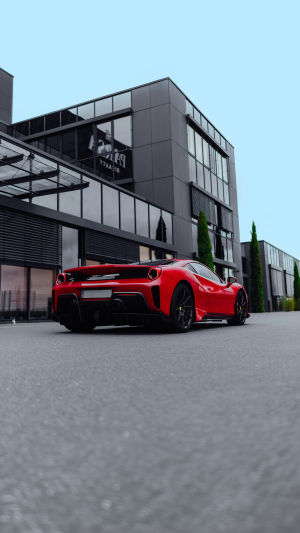
Lykkers! Have you ever imagined what the next generation of sports cars could look like? Future sports cars are becoming more than machines built only for speed.
They are evolving into intelligent, efficient, stylish, and personalized vehicles that can transform the way we experience driving.
With continuous innovation in technology and engineering, future sports cars are expected to deliver impressive performance while creating a more comfortable, connected, and enjoyable driving experience. Let’s explore how these exciting developments may shape the future of sports cars.
<h3>Smart Technology Changes Driving</h3>
One of the most important trends in future sports cars is the growing use of intelligent driving technology. Advanced assistance systems, including parking support, adaptive cruise control, lane guidance, and intelligent traffic features, can help drivers manage different road situations with greater confidence and convenience.
Artificial intelligence and advanced software systems are also expected to play a larger role in the driving experience. Future vehicles may be able to recognize driver preferences, remember selected settings, and adjust features such as navigation, cabin temperature, display information, and entertainment options. This can create a more personalized and comfortable driving environment.
<h3>Efficient Energy Creates New Possibilities</h3>
Future sports cars will place greater attention on energy efficiency while maintaining the excitement that drivers enjoy. Engineers are developing improved power systems, advanced electric technologies, and smarter energy management solutions to achieve strong performance with better efficiency.
Battery technology continues to develop, helping electric sports cars achieve improved driving range and charging performance. Intelligent energy management systems can monitor power usage and optimize output based on driving conditions. These advancements may allow sports cars to deliver responsive performance while using energy more effectively.
<h3>Personal Design Becomes More Popular</h3>
Customization is expected to become an important part of future sports car ownership. Instead of choosing only fixed designs, drivers may have more opportunities to create vehicles that match their personal preferences and driving needs.
Digital design systems may allow users to personalize exterior colors, wheel designs, lighting features, interior materials, seating options, and digital displays. Software improvements may also introduce new features over time, helping vehicles remain updated throughout their ownership.
<h3>Aerodynamic Design Improves Performance</h3>
Advanced aerodynamic technology will continue to influence the design of future sports cars. Engineers use airflow research and computer simulations to create smoother vehicle shapes that improve stability, efficiency, and overall performance.
Active aerodynamic systems may automatically adjust certain vehicle components according to driving conditions. Features such as adjustable aerodynamic elements, intelligent cooling systems, and optimized airflow management can help improve balance and control.
Lightweight materials, including carbon fiber, magnesium alloys, and advanced composites, will also continue to support sports car development. Reducing vehicle weight while maintaining strength can help improve acceleration, handling, and efficiency.
<h3>Power Systems Keep Advancing</h3>
Future sports cars will continue to benefit from improvements in power technology. Traditional engines are becoming more efficient, while electric motors provide quick response and smooth acceleration.
Advanced electronic systems can improve power distribution and help vehicles perform more effectively in different driving situations. Continued research into energy storage and power management may create sports cars that offer a better balance between performance and efficiency.
<h3>Intelligent Control Enhances Handling</h3>
Driving enjoyment remains one of the most important qualities of sports cars, and future models will continue improving handling technology. Adaptive suspension systems can monitor road conditions and adjust automatically to provide better stability and comfort.
Improved braking technology and advanced materials will also support better vehicle control. These developments can help drivers enjoy a more confident and engaging experience on different types of roads.
<h3>A Modern Cabin Connects With Drivers</h3>
The interior of future sports cars will become a smarter and more interactive environment. Advanced displays may provide important driving information in clearer and more accessible ways.
Voice controls, gesture recognition, and intelligent assistants may simplify vehicle functions, while personalized seating, premium sound systems, adjustable lighting, and smart connectivity features can create a more comfortable journey.
<h3>The Future of Sports Cars</h3>
Future sports cars will represent a combination of technology, design, efficiency, and creativity. They will continue to focus on exciting performance while offering greater comfort, intelligence, and personalization.
As automotive innovation continues, the next generation of sports cars may provide a driving experience that is smarter, more connected, and more enjoyable than ever before.
Lykkers, which future feature interests you most? Would you choose advanced technology, unique design, improved performance, or a more interactive cabin? Share your thoughts and imagine the future of sports cars together!


