

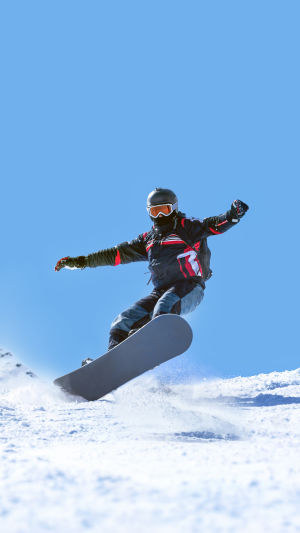
The first time we step onto a snowboard, the snowy slope opens a new world full of excitement and discovery.
The feeling of gliding forward, learning to balance, and improving each movement makes snowboarding a rewarding experience.
Whether we are beginners learning the basics or riders looking to improve our technique, understanding the right skills can help us enjoy smoother turns, better control, and more confidence during every ride.
In this guide, we will explore essential snowboard techniques that make our snowy adventures more enjoyable and memorable.
<h3>Creating A Stable Start</h3>
A strong beginning starts with a comfortable stance. When we stand on a snowboard, our knees should stay slightly bent, our back should remain straight, and our eyes should look toward the direction we want to move. Our arms can relax naturally beside our body or open slightly to support balance.
For beginners, practicing on flat snow is a great way to understand the board. We can attach one foot first, feel the weight of the snowboard, and slowly move forward. This simple exercise helps us discover which foot feels more natural in front. The front foot usually becomes our leading foot while riding.
Balance also depends on our eyesight. When we look ahead instead of staring at the board, our body can respond more naturally. A steady view helps us control our direction and feel more connected with every movement.
<h3>Learning Speed Control</h3>
Controlling speed is one of the most important snowboard skills. Good braking techniques allow us to slow down smoothly and stay comfortable on different slopes. When we want to reduce speed, we can slightly bend our knees, shift our weight, and use the edge of the snowboard to create resistance against the snow.
Both legs should work together during braking. Gentle movements are easier to control than sudden actions. Through regular practice, we can understand how much pressure is needed for different snow conditions.
Heel-edge sliding and toe-edge sliding are useful skills for beginners. During heel-edge sliding, we use our heels to guide the board while keeping the upper body relaxed. During toe-edge sliding, we move our body slightly forward and use the front edge to manage direction. These skills create a strong foundation for future improvement.
<h3>Improving Turning Ability</h3>
Turning is one of the most enjoyable parts of snowboarding. Basic turns help us change direction smoothly while maintaining control. When we practice front-edge turns, we shift our weight toward our toes and allow the snowboard to follow the new path. For heel-edge turns, we move our weight toward our heels and guide the board through the curve.
The falling leaf technique is another helpful exercise. This movement allows us to slide from side to side while controlling speed and direction. It improves our understanding of snowboard edges and helps us become more comfortable on different types of slopes.
<h3>Practicing Edge Changes</h3>
After learning basic turns and braking, we can begin practicing edge changes. This technique allows us to connect turns smoothly and create more natural movements. The key is moving our body weight gradually and changing the snowboard edge at the right moment.
A wide snow area is a good place for practice because we have enough space to adjust. Beginners can start with slow sliding exercises before trying edge changes during continuous turns. With repeated practice, our movements become smoother, and our control improves.
<h3>Exploring Advanced Skills</h3>
As our riding ability grows, we can explore more challenging techniques. Carving helps us create cleaner lines on the snow by using the snowboard edge more effectively. Smooth body movements and proper timing allow us to enjoy more flowing turns.
Experienced riders can also explore jumps and air movements. These skills require good balance, preparation, and control. Building strong basic skills first allows us to approach new challenges with greater confidence.
<h3>Enjoying A Safe Ride</h3>
Safety is an important part of every snowboard journey. Wearing protective equipment such as helmets, knee protection, elbow protection, and hip protection can help us feel more comfortable while learning new skills.
Before riding, we should understand the snow trail, slope conditions, and surrounding environment. Knowing the area helps us choose suitable routes and enjoy a better experience.
Lykkers, snowboarding is a journey filled with learning and discovery. Every turn, slide, and practice session gives us a chance to improve. With patience and steady progress, we can enjoy the beauty of snowy mountains and create unforgettable riding memories. Are we ready to begin our next snowboard adventure?
Beginner to Intermediate Snowboarder Progression
Video by SnowboardProCamp


