

Hi, Readers! Pulling one shelf out of a crowded pantry doesn't just remove that shelf, everything stacked above it comes crashing down too, because more was depending on it than anyone noticed while it was still holding steady.
Wetlands work the same way for a huge share of the world's wildlife, a supporting layer that a surprising number of species turn out to need far more than expected.
<h3>Just how much depends on that one layer</h3>
Roughly 40 percent of the world's species rely on wetlands in some way, and about half of all threatened and endangered species depend on them directly, which makes wetland loss one of the fastest routes to pushing a species toward the brink.
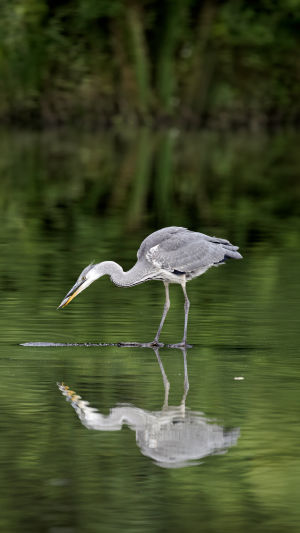
Birds are especially exposed, with up to half of all North American bird species and roughly 80 percent of protected bird species relying on wetland habitat at some point in their lives. Amphibians face similar pressure, with close to a third of the world's amphibian species already listed as threatened, largely because wetlands serve as their essential breeding grounds.
<h3>Why the damage doesn't stop at the water's edge</h3>
Freshwater species overall are declining faster than almost any other group on the planet, with an estimated 83 percent of freshwater species populations already in decline worldwide. Mammals and birds tied to wetlands have shown themselves to be more sensitive to this kind of habitat loss than reptiles and amphibians, though every group ultimately feels the pressure eventually.
Recovery, when it happens at all, is painfully slow. Restored wetlands can take decades or even centuries before they function anything like the original ecosystem they replaced, if they ever fully do.
Urban development is a major driver of this loss, converting marshes and floodplains into buildings and roads faster than most regions can track, let alone reverse. Once a wetland is drained and built over, the layered web of species that depended on it rarely gets a second chance in that same location.
<h3>What restoration can and can't undo</h3>
Some wetland loss is being actively reversed, and restored sites can bring back a meaningful share of their original plant and animal diversity within a decade or two if the underlying hydrology is repaired correctly.
The trouble is that hydrology, the natural pattern of flooding, draining, and water flow, is hard to fully rebuild once it's been disrupted by drainage ditches, levees, or nearby development, and a restored site that gets the water flow even slightly wrong ends up supporting a noticeably different, often less diverse community than the wetland it replaced.
Migratory birds are especially sensitive to this kind of imperfect restoration, since they rely on very specific seasonal water levels timed to their stopover schedule, and a site that floods a few weeks off pattern can end up nearly useless to them despite looking, to the human eye, like a fully functional wetland again.
So a marsh that looks unremarkable from the road is doing more supporting work than it gets credit for. Honestly, protecting that one unglamorous layer turns out to matter for a lot more of the pantry than most people realize until it's already gone.


