

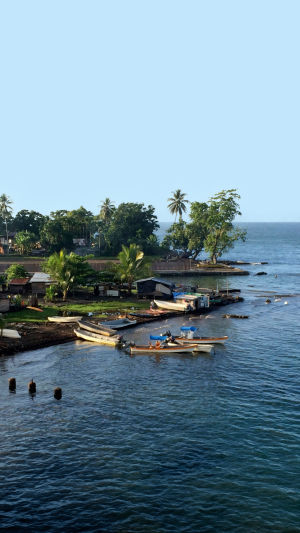
Hi, Readers! Papua New Guinea feels big, wild, and deeply human all at once.
You get mountain villages wrapped in mist, coral-rich coasts, busy town markets, and hundreds of living cultures sharing one country. It is the kind of place that asks you to slow down, plan carefully, and stay open to surprise.
If you are thinking about going, this guide walks you through the essentials in a simple, grounded way, so your trip feels more manageable and a lot more meaningful.
<h3>What makes it special</h3>
Papua New Guinea sits in the southwestern Pacific and covers the eastern half of the island of New Guinea, along with many nearby islands. The country is known for dramatic physical variety. There are high mountain ranges in the interior, broad river systems, thick rainforest, and beautiful coastal areas with reefs and islands.
One of the most remarkable things about the country is its cultural richness. Communities across the country maintain distinct traditions and languages, giving travelers a rare chance to experience a place where local identity still feels strong and deeply rooted in daily life.
<h3>Main places travelers visit</h3>
Port Moresby is the main gateway for most international visitors. It is the capital and the practical starting point for flights, hotels, and onward connections. Many travelers also look toward the Highlands for village life, cooler weather, and mountain scenery. Coastal and island areas attract people interested in beaches, reefs, and marine life.
Because the country is spread across rugged terrain and islands, each region feels very different. That is part of the beauty, but it also means moving around takes time and planning.
Papua New Guinea
<h3>Getting there and getting around</h3>
Most visitors arrive by air into Port Moresby. From there, domestic flights are often the most realistic way to reach other parts of the country because road connections are limited and terrain can be difficult. Travel times vary a lot. A domestic flight to a regional town may take around 1 to 2 hours, while boat transfers to smaller islands can add several more hours depending on weather and distance.
In cities and towns, travelers usually rely on hotel transfers, prearranged drivers, or taxis booked through trusted local help. For a smoother trip, it helps to organize transport in advance rather than making last-minute plans.
<h3>Opening hours and attraction costs</h3>
Papua New Guinea is not a place where every attraction follows one neat national schedule. Museums, cultural centers, markets, parks, and diving operators all run on their own hours. In Port Moresby, museums and galleries often open in the morning and close in the afternoon, commonly around 9:00 AM to 4:00 PM on weekdays, though times can vary.
Some natural attractions, village visits, and coastal experiences are only available through local guides or tour operators. Entry to smaller cultural sites may be free or request a modest local contribution, while museum tickets are often around $5 to $15 USD. Guided day tours can range from about $50 to $150 USD depending on distance and what is included. Dive trips and island excursions are usually higher.
<h3>Where to stay</h3>
Accommodation varies widely by location. In Port Moresby, you can find international-style hotels, business stays, and guesthouses. Mid-range rooms often start around $100 to $180 USD per night, while higher-end options can go beyond $200 USD. In regional towns, guesthouses and smaller lodges may start around $50 to $100 USD per night, though standards differ.
In remote areas and islands, eco-lodges and dive resorts may include meals, transfers, or activities in their rates, often ranging from $150 to $300 USD or more per night. It is wise to check what is included before booking, since transport and meals can be significant parts of the total cost.
<h3>How to plan wisely</h3>
This is a destination where flexibility matters. Weather, flight changes, and local logistics can affect even well-made plans. Give yourself extra time between connections, keep essentials with you, and work with reliable local operators when arranging stays or excursions. It also helps to approach communities with care and respect. Ask before taking photos, listen more than you speak, and treat each local custom as something valuable rather than something made for display. That mindset can shape the whole journey in the best way.
Papua New Guinea is not the simplest trip, and maybe that is exactly why it stays with people so deeply. It offers striking landscapes and extraordinary cultural depth, but it asks for patience and thoughtful planning in return. If you go with curiosity, humility, and a bit of extra preparation, you may come home feeling like you touched a part of the world that still moves to its own rhythm.


