

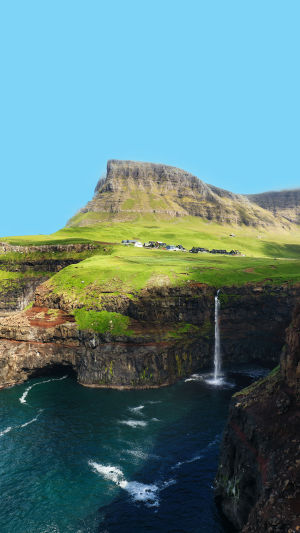
Hi, Readers! The Faroe Islands feel wild in the gentlest way, with steep green slopes, tiny turf-roof villages, dark cliffs, and sea views that seem to go on forever.
If you are dreaming about a trip that feels quiet, fresh, and deeply memorable, this North Atlantic archipelago has so much to offer.
The good news is that getting around is easier than many people expect, and with a little planning, you can build a trip that feels smooth and relaxed.
The Faroe Islands are served by Vágar Airport, and most visitors arrive by air. From the airport, driving to Tórshavn usually takes about 45 minutes on well-maintained roads and through subsea tunnels. Renting a car is one of the easiest ways to explore, especially if you want freedom to visit small villages and scenic viewpoints at your own pace.
There are also public buses, and in Tórshavn the city buses are known for being easy to use. Ferries connect some islands too, which adds a lovely sense of adventure to the journey.
<h3>Top places to see</h3>
Tórshavn, the capital, is a great base and a pleasant place to begin. Its old quarter, Tinganes, has narrow lanes and traditional turf-roof buildings that feel wonderfully rooted in local life. Saksun is one of the most photographed villages, known for its dramatic setting surrounded by mountains and a tidal lagoon. Gjógv is another favorite, loved for its natural sea-filled gorge and peaceful atmosphere.
In Vágar, many travelers head toward Gásadalur to see the famous Múlafossur waterfall dropping toward the ocean. If you enjoy hikes, the islands offer many unforgettable trails, but weather can shift quickly, so it is wise to check local guidance before setting out.
<h3>Getting around the islands</h3>
Driving is very convenient here, and roads link many islands through bridges, causeways, and tunnels. Some subsea tunnels require a fee, so it is helpful to check current charges when planning your route. For travelers who prefer not to drive, the public transport network includes buses and ferries between towns and islands.
Travel times are often shorter than they look on a map, which makes day trips very manageable. Even so, it is worth leaving extra time, because you will likely want to stop often for viewpoints and photos.
Faroe Islands
<h3>Opening hours and entry costs</h3>
One of the nicest things about a Faroe Islands trip is that many natural sights can be enjoyed freely. Villages, viewpoints, and many scenic stops do not have an entry price. Some hiking routes, however, may involve local access fees arranged with landowners, and these can vary by location. Museums, cultural sites, cafés, and visitor attractions each set their own opening hours, so it is best to confirm details directly before visiting.
In Tórshavn, you will generally find shops, cafés, and museums keeping regular daytime hours, with some places having shorter schedules outside the busiest travel season.
<h3>Where to stay</h3>
Accommodation ranges from hotels and guesthouses to apartments and cottages. Tórshavn has the widest choice, making it a practical pick for first-time visitors who want restaurants, shops, and transport connections close by. You can also stay in smaller villages for a quieter and more scenic experience.
Prices often vary by season and room type, but many travelers find hotel and guesthouse stays beginning around USD 120 to USD 250 per night, while larger apartments or well-located stays can cost more. Booking early is a kind move for your future self, especially in popular months when options fill up quickly.
<h3>Helpful travel tips</h3>
The weather is beautiful but changeable, so layers, a waterproof outer layer, and sturdy walking shoes make a big difference. It is also smart to keep your plans flexible. A place that looks foggy in the morning can become clear and glowing later in the day. Respecting nature is especially important here. Stay on marked paths where required, follow local signs, and be mindful in small communities.
If you plan to hike in more remote areas, checking conditions in advance can help keep the day comfortable and enjoyable.
The Faroe Islands are the kind of place that stay with you long after you leave, not just because of the scenery, but because of the calm feeling they give you. If this trip has been on your heart, take it as a gentle nudge to start planning. Keep things simple, allow space for slow moments, and let the islands surprise you in their own quiet way.


