

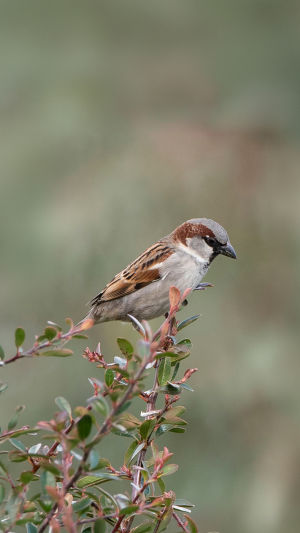
When you think about birds, you might picture them singing in trees or flying across the sky. But did you know they also play a vital role in agricultural health?
Birds help maintain the balance of nature in farming systems by controlling pests, promoting plant growth, and even contributing to soil health.
Let's explore how these feathered friends can make a big difference in the fields.
<h3>Natural Pest Control</h3>
One of the most significant ways birds contribute to agriculture is by controlling pest populations. Birds like swallows, sparrows, and crows feast on insects that can damage crops.
<b>Insect Predation</b>
Birds are natural predators of a wide range of harmful insects. For example, starlings and swallows help control pest populations such as aphids, beetles, and caterpillars, all of which can damage crops like corn, tomatoes, and strawberries.
A single swallow can eat hundreds of insects in a day, reducing the need for chemical pesticides. This not only helps preserve crops but also keeps the ecosystem healthier by reducing pesticide use.
<b>Protecting Crop Yields</b>
Birds can prevent significant damage to crops by keeping insect numbers in check. When you have fewer pests, your crops are healthier and more productive. For instance, birds that eat grasshoppers can prevent them from eating the leaves and stems of crops like lettuce and beans, ultimately preserving your harvest and improving yields.
<h3>Pollination and Seed Dispersal</h3>
Birds also contribute to the growth and spread of plants in agricultural landscapes. They're known to help with pollination and seed dispersal, both of which are essential for plant reproduction.
<b>Pollination by Birds</b>
While bees are often credited with pollination, many birds, particularly hummingbirds, also play an essential role. As birds move from flower to flower looking for nectar, they transfer pollen, helping plants to reproduce. In crops like fruit trees, especially berries and citrus, this helps increase the quantity and quality of fruit production.
<b>Seed Dispersal</b>
Birds help disperse seeds, spreading them across a wide area. By carrying seeds in their digestive systems or dropping them as they fly, birds help propagate plants naturally. This is particularly beneficial for crop rotation and maintaining soil health.
For instance, birds that consume fruits or seeds from one plant might deposit them in a different location, helping grow new plants that contribute to biodiversity.
<h3>Soil Health and Fertility</h3>
Birds contribute to soil health by providing natural fertilizers. Their droppings, rich in nitrogen and other essential nutrients, act as an organic fertilizer for the soil.
<b>Natural Fertilization</b>
When birds roost in trees or forage for food, their droppings enrich the soil with nutrients. This natural fertilization improves soil structure, making it easier for crops to take root and grow.
For example, bird guano (excrement) is often used in organic farming as a high-quality fertilizer, promoting better plant health and sustainable farming practices.
<b>Enhancing Soil Biodiversity</b>
Birds also help stimulate soil biodiversity. As they scratch the soil for food or dig in search of insects, they mix and aerate the soil, which helps beneficial microorganisms thrive. These microorganisms, like earthworms and bacteria, break down organic material, further improving soil health and making it more fertile.
<h3>Reducing the Need for Chemicals</h3>
One of the key benefits of having birds on the farm is their ability to reduce the need for chemical interventions. Birds naturally manage pests, which decreases the reliance on harmful pesticides that can harm the environment, animals, and humans.
<b>Reducing Pesticide Use</b>
By controlling pest populations, birds help decrease the need for chemical pesticides. This not only saves money for farmers but also reduces the environmental impact of farming. A natural ecosystem with birds actively feeding on pests means less risk of pesticide runoff, which can harm surrounding water sources and wildlife.
<b>Supporting Sustainable Practices</b>
Birds contribute to sustainable farming practices by reducing the need for synthetic chemicals. Their presence helps keep the ecosystem balanced, promoting more eco-friendly farming that supports long-term productivity. Farmers can rely on birds as an effective and natural pest control system, aligning their practices with sustainable agricultural principles.
<h3>Promoting Biodiversity and Ecosystem Balance</h3>
Birds are integral to maintaining biodiversity, which is crucial for the health of agricultural ecosystems. By supporting a wide variety of plant and animal species, birds help create a more resilient farm environment.
<b>Enhancing Ecosystem Resilience</b>
A farm that welcomes birds is more likely to have a balanced ecosystem. Birds promote plant diversity by dispersing seeds, and they control pest species that might otherwise become overwhelming.
This creates a resilient farm ecosystem that can better withstand environmental stresses like droughts, pests, and diseases. For instance, birds that consume rodents also help reduce the spread of diseases carried by these animals.
<b>Supporting Healthy Food Chains</b>
Birds sit at different levels of the food chain, from insectivores to predators of larger animals. By supporting a healthy bird population, farmers ensure that other animals in the food chain are also well-regulated.
This keeps the farm environment in balance, supporting both plant and animal health, which ultimately results in better overall agricultural productivity.
<h3>A Win-Win for Farmers and Nature</h3>
Incorporating birds into farming ecosystems offers a multitude of benefits, from pest control and pollination to improved soil health and reduced chemical use. By protecting bird habitats and encouraging bird populations, farmers can enjoy healthier crops, reduce their environmental footprint, and contribute to biodiversity.
In the long run, birds are not just a part of the landscape—they're essential partners in sustainable farming. So, the next time you hear birds singing in the trees, remember: they're working hard to keep your farm healthy and thriving.


