

Hello, Lykkers! If you are new to keeping houseplants, the key is to start with varieties that tolerate a little neglect and adapt to different light conditions.
Many common indoor plants come from tropical understories where they receive filtered light and consistent moisture, but they can handle less than ideal conditions at home.
<h3>Why Some Plants Are Better for Beginners</h3>
Not all plants require the same level of attention. Species with thick leaves or fleshy stems store water, making them forgiving if you forget to water for a week. Others have naturally slow growth, so they won't become leggy or outgrow their containers quickly. Beginner-friendly plants also tend to be less prone to pests and diseases, reducing the chance of sudden decline.
<h3>Top Choices for Low Light Conditions</h3>
If your apartment has north facing windows or corners that stay dim, consider the snake plant (Dracaena trifasciata). It can survive for weeks without water and tolerates low light, though it grows slower without bright indirect sun. Another excellent option is the ZZ plant (Zamioculcas zamiifolia), which has waxy dark green leaflets that reflect light and require only monthly watering. Both are nearly impossible to overwater if you let the soil dry completely between drinks.
For a trailing plant, pothos (Epipremnum aureum) is a classic. Its heart shaped leaves trail down from hanging baskets or climb a small trellis. Pothos does well in moderate to low indirect light and will droop dramatically when thirsty, a clear signal for even the most distracted owner.
<h3>Plants That Enjoy Bright, Indirect Light</h3>
Rooms with east or west facing windows offer plenty of gentle morning or afternoon sun. Here, the spider plant (Chlorophytum comosum) thrives. It produces offsets called pups that you can propagate easily. Spider plants like even moisture but will tell you when they need water by turning pale green at the leaf tips.
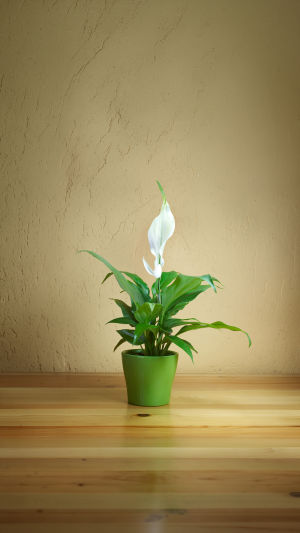
The peace lily (Spathiphyllum) is another forgiving choice. It has glossy leaves and striking white blooms that last for weeks. Peace lilies droop dramatically when dry and perk up within hours after a good watering. They prefer consistently moist soil, but they rebound quickly if you catch the wilt.
<h3>Succulents and Cacti for Sunny Spots</h3>
If you have a windowsill that receives several hours of direct sun, try a jade plant (Crassula ovata) or a burro's tail (Sedum morganianum). Both store water in their leaves and need infrequent watering only when the soil is completely dry. Succulents are ideal for people who travel or often forget to water. Just ensure the container has drainage holes, as standing water will cause root rot.
<h3>Practical Care Tips for Beginners</h3>
Use a well-draining potting mix and pots with drainage holes. Most houseplants do best in a mix that holds some moisture without staying soggy. Place them near bright light, rotate the containers every couple of weeks, and wipe dust off the leaves monthly so they can photosynthesize efficiently. Grouping plants can help raise humidity a little, which may reduce brown leaf edges, and fertilize lightly in spring and summer only.
<h3>Common Mistakes to Avoid</h3>
Overwatering kills most indoor plants. Check soil 1 inch down before watering; if it’s damp, wait. Plants also dislike being moved often, and should stay away from drafts, AC, and heating vents.
Yellow leaves often mean too much water or direct sun. Brown tips usually mean dry air or tap-water minerals. If you see bugs, isolate the plant and wipe the leaves with mild soapy water.
<h3>Final Thoughts for New Plant Parents</h3>
Starting your indoor garden with resilient species builds confidence and brings natural beauty into your home. Remember that each plant has its own rhythm, and observing it closely will teach you more than any guide. Enjoy the process, and soon you will find yourself looking after a small green family. Happy planting!


