

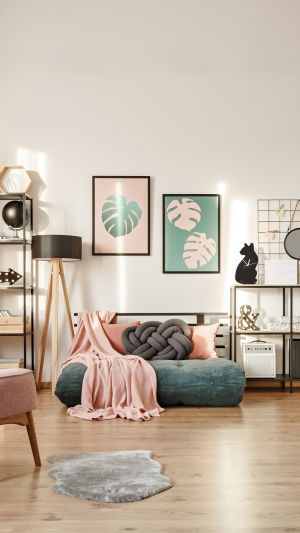
Hi, Readers! Some homes seem to welcome you more deeply the longer you live in them.
At first, it can feel hard to explain. The rooms may not be the biggest, the decor may not be the fanciest, and nothing needs to look perfect.
Still, day after day, the space feels easier, calmer, and more in tune with real life. That growing sense of comfort usually does not happen by accident. It often comes from how well a home supports daily habits, movement, rest, storage, light, and a feeling of ease.
A home that becomes more comfortable over time usually works with the people living in it, not against them. When the layout makes sense, everyday routines flow more naturally.
You can move from one area to another without effort, reach the things you need without digging through clutter, and settle into each room with less tension. Even small details matter. A chair placed near a window, a table at the right height, or shelves that keep essentials within reach can make the whole day feel smoother.
<h3>Layout shapes comfort</h3>
One big reason some homes feel better with time is the layout. A comfortable home often has a clear rhythm. Spaces connect in a way that matches real living, such as cooking, eating, resting, working, and gathering.
When a room arrangement feels intuitive, people spend less energy adjusting to the space. Instead, the space quietly supports them. Good flow can also make a home feel larger than it is, because movement is less awkward and every area has a purpose.
<h3>Light, air, and sound matter</h3>
Natural light can gently change how a home feels from morning to evening. Rooms with balanced light often seem more open and uplifting, while proper shading helps keep them restful when needed. Fresh air also matters more than many people realize. A home that feels airy and well ventilated is usually easier to enjoy for long periods.
Sound plays a part too. Softer materials, curtains, rugs, and thoughtful furniture placement can reduce harsh echoes and make a space feel more peaceful.
<h3>Storage brings calm</h3>
Homes that grow more comfortable often have storage that fits real life. Not just more storage, but better storage. When everyday items have a place, surfaces stay clearer, and rooms feel less stressful. This does not mean a home needs to be minimal or empty.
It means the space helps people put things away easily and find them again without frustration. Closed cabinets, open shelves, baskets, and under-bed solutions can all support that sense of order.
<h3>Comfort is also emotional</h3>
A home feels better over time when it reflects the people who live there. Familiar textures, meaningful objects, favorite colors, and little routines all help build attachment. Comfort is not only about furniture or arrangement. It is also about memory, belonging, and the quiet relief of being somewhere that feels like your own. A space that accepts everyday life, including rest, mess, routine, and change, often becomes more deeply comforting than one designed only to impress.
<h3>Flexibility helps a home last</h3>
The most satisfying homes can adapt. Daily needs change, and a home that allows for those changes tends to stay comfortable longer. A corner can become a reading area, a table can serve more than one purpose, and storage can shift as routines change.
Flexible furniture and thoughtful organization make it easier for a home to keep up with life. That is one reason some spaces seem to improve with use instead of becoming tiring.
In the end, a home feels more comfortable with time when it supports real living in simple, steady ways. If you want your own space to feel better and better, start by noticing what makes daily life easier and what quietly creates stress. A comfortable home is rarely about perfection. It is about ease, usefulness, and that gentle feeling of being truly at home.


