

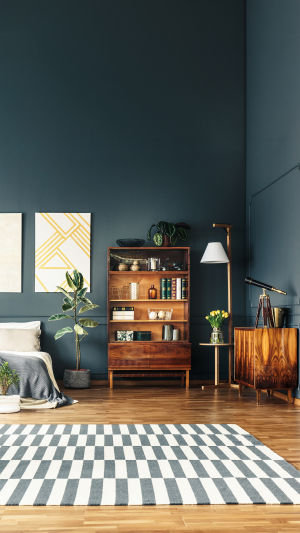
Hi, Readers! When people start a renovation, it is so easy to get swept up in colors, finishes, and all the beautiful details that seem to promise a perfect home.
However, the most important principle in any decorating or renovation decision is much simpler and much more grounding: design should serve the way you live.
A lovely space means very little if it does not feel comfortable, work smoothly, and support your everyday routines. The best decisions are not just about what looks good. They are about what truly fits your needs.
Interior design is often understood as the art and science of improving the inside of a building to create a healthier and more pleasing environment for the people using it. That idea matters deeply during renovation.
A home is not only something to admire. It is a place where people move, rest, gather, focus, and recharge. So before choosing materials or layouts, it helps to ask a gentle but powerful question: What does this space need to do every day?
<h3>Function Comes First</h3>
A renovation decision becomes easier when function leads the process. A kitchen should support cooking, cleaning, and storage in a comfortable flow. A bedroom should feel restful and uncluttered. A living area should make conversation, reading, or quiet time feel natural.
When the purpose of the room is clear, choices around furniture, lighting, storage, and finishes become more meaningful. This principle does not take beauty away. It actually gives beauty a stronger foundation, because a space feels better when it works well.
Interior design also involves understanding how people behave in a space. That includes movement, access, comfort, and proportion. A room that looks stylish in a photo can still feel frustrating in daily life if pathways are awkward or storage is missing. Renovation is a chance to solve those daily tensions with thoughtful planning.
<h3>Comfort and Well-Being Matter</h3>
Another essential part of good renovation is supporting physical and emotional comfort. The spaces people spend time in can affect mood, focus, and ease. Light, color, ventilation, acoustics, and materials all shape that experience.
A room with good natural light may feel more open and welcoming. Calm colors can make a resting space feel softer. Practical surfaces and sensible layouts can reduce stress in busy areas of the home.
This is why the strongest renovation choices are usually the ones that balance appearance with well-being.
Instead of asking only whether something is stylish, it helps to ask whether it will still feel right after months of real use. Comfort is not a small detail. It is one of the clearest signs of a successful space.
<h3>Consistency Creates Harmony</h3>
Once function and comfort are clear, consistency becomes an important guiding principle. This means the different parts of a renovation should feel connected in a natural way. Materials, colors, shapes, and finishes do not need to be identical, but they should relate to each other. A home feels calmer and more complete when the design language is coherent.
This idea is closely tied to planning. Interior design is not just decoration added at the end. It is a process that involves shaping interiors in a coordinated and thoughtful way. When renovation choices are made one by one without a clear direction, the result can feel scattered. A simple overall vision helps every decision support the whole space.
<h3>Choose for Real Life</h3>
A truly successful renovation is not measured by trends or price tags—it is measured by how it feels to live there. When every choice honors function, comfort, and harmony, your home becomes more than a showpiece. It becomes a quiet partner in your daily life, supporting rest, connection, and productivity.
Trust your instincts, prioritize what matters most, and remember that the best designs are the ones that fade into the background while making life noticeably better. That is timeless.


