

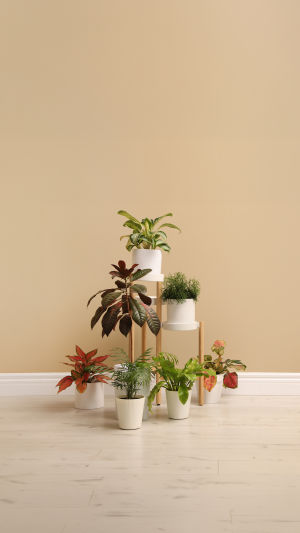
Hi, Readers! Indoor plants can change a room faster than a new cushion and with far less drama.
A good plant pairing is not just about piling leafy friends into a corner and hoping for magic.
It works best when you mix shape, size, color, and placement with a little intention, like putting together an outfit that looks effortless but definitely was not random.
One of the easiest ways to make indoor plants look better together is to contrast their forms. The Royal Horticultural Society points out that plants with different shapes create stronger visual interest. That means a tall upright plant can sit nicely beside a trailing one, while a round, compact plant can soften the lines nearby.
If everything has the same silhouette, the display can look flat, a bit like a choir where everyone sings the exact same note. Mixing forms helps each plant stand out instead of blending into a green traffic jam.
<h3>Mix shapes and heights</h3>
A pleasing arrangement usually includes a range of heights. Place taller plants at the back or on the floor, medium ones on tables or stands, and smaller ones where they can be seen without getting lost. This layered approach gives the display depth and keeps the eye moving naturally around the room.
Trailing plants also help by drawing the eye downward from shelves or hanging spots. Used well, they connect higher and lower parts of a room so the whole setup feels intentional rather than scattered.
<h3>Use containers wisely</h3>
Containers matter more than many people think. The article notes that containers contribute strongly to the overall look, so it helps to choose them as part of the display, not as an afterthought. Matching planters can create a calm, tidy feel, while mixing materials and finishes can add personality if there is still some link between them, such as color or texture.
If the plants themselves are dramatic, simpler containers often let them shine. If the plants are modest, a more decorative planter can lift the whole arrangement.
<h3>Match plants to the room</h3>
A stylish display still has to work with the conditions in your home. Light levels, humidity, and available space all affect which houseplants will do well. The RHS advises choosing plants suited to the place where they will live, because struggling plants are not exactly peak decor.
A bright windowsill may suit sun-loving choices, while shadier corners need plants that tolerate lower light. Rooms with limited space often benefit from vertical displays, shelves, or hanging planters to add greenery without crowding surfaces.
<h3>Think about background and color</h3>
Leaf color and pattern can also help a plant grouping look better. Green leaves against a pale wall often appear crisp and fresh, while darker walls can make lighter or patterned foliage stand out. Variegated leaves, glossy finishes, and fine or broad textures all play a part in the overall effect.
When combining several plants, it helps to avoid too much visual competition. One bold plant can be the star, while the others support it quietly, like a lead singer with a very competent backup band.
<h3>Place plants where they can be enjoyed</h3>
The RHS also highlights display as an important part of choosing houseplants. Plants should be positioned where their shape and detail can be appreciated, not hidden behind furniture or shoved into awkward gaps. Grouping several plants together can increase impact, especially when they share similar care needs.
At the same time, a single well-placed plant can work beautifully as a focal point on a table, shelf, or beside a chair. Sometimes one confident plant says more than five crowded ones all fighting for attention.
In the end, making indoor plants look better together is really about balance. Mix shapes, vary heights, choose containers thoughtfully, and place each plant where both it and your room can shine. If you treat your plant display like a little living composition instead of random greenery, the result feels calm, stylish, and welcoming.
Try moving a few things around at home and see what clicks. Your room might be only one smart plant pairing away from looking wonderfully put together.


