

Hi, Readers! Choosing plants for different rooms is a bit like picking shoes for different occasions.
Sneakers are great for a long walk, but not for a fancy dinner. Plants work the same way.
The living room and bedroom have different light, space, and daily rhythms, so the best green companions for each spot are not always the same. A good match makes the room feel fresh, cozy, and alive without turning plant care into a full-time babysitting gig.
For bedrooms, the best plants are usually the calm, low-fuss types that can handle lower light and steady indoor temperatures. Snake plant is a favorite because it tolerates neglect like a champion and does well in indirect light. Pothos is another easy winner, with trailing vines that soften a corner or shelf without demanding constant attention.
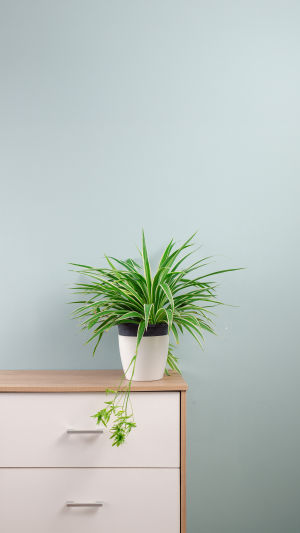
Peace lily is loved for its elegant leaves and white blooms, though it prefers evenly moist soil and medium, indirect light. Spider plant also fits well in bedrooms, especially if you want something cheerful and forgiving. These plants are compact enough for nightstands, dressers, or window ledges, and they do not need a grand stage to shine.
<h3>What Works in a Bedroom</h3>
A bedroom usually calls for plants that feel relaxing rather than oversized or dramatic. Smaller or medium plants tend to suit the space better, especially if the room is not huge. Low to medium light tolerance matters because many bedrooms do not get blazing sunshine all day.
That is why snake plant, trailing ivy, ZZ plant, and spider plant often do well here. If you want a softer look, heartleaf philodendron can drape nicely from a shelf.
The key is to avoid crowding the room. One or two well-placed plants can feel soothing, while too many can make the space feel cluttered, like a closet that suddenly learned photosynthesis.
<h3>Best Choices for the Living Room</h3>
The living room usually has more space, more light, and more visual action, so it can handle plants with a stronger presence. This is where larger floor plants really earn their rent.
Fiddle-leaf fig is popular for bright living rooms because of its large, sculptural leaves, though it likes consistent care and bright, indirect light. Rubber plant is another strong option, easier to manage and bold enough to anchor a corner. Areca palm adds height and an airy feel, making the room look breezy and relaxed.
Monstera deliciosa is also a living room star, with dramatic split leaves that instantly make a space feel styled without trying too hard.
Living rooms also work well for mixed plant levels. A tall floor plant in one corner, a medium container by the sofa, and a trailing plant on a shelf can create depth and balance. Because this room is often brighter, you have more flexibility with species that need moderate to bright indirect light. Just keep them away from harsh direct sun if the leaves are sensitive.
<h3>How to Match Plants to Space</h3>
Before choosing a plant, check the room like a tiny detective. How much natural light does it get? Is the window south-facing, north-facing, or shaded by nearby buildings? Is the room dry from air conditioning or naturally humid? In a bedroom, compact plants with tidy growth often feel best.
In a living room, you can go bigger and more decorative. If the room is dim, choose resilient plants such as snake plant, ZZ plant, or trailing ivy. If it is bright, you can explore rubber plant, monstera, or fiddle-leaf fig.
Placement matters too. Bedrooms benefit from simple spots like a nightstand, dresser, or low shelf where the plant does not get bumped all day. Living rooms give you more options, including corners, side tables, plant stands, and areas near windows.
Pick a container that matches the room style, but make sure it has drainage or use a nursery container inside a decorative cover.
<h3>Care Tips That Keep Things Simple</h3>
The easiest way to keep indoor plants happy is not to love them too aggressively. Overwatering is the classic mistake, the houseplant version of texting too much after one nice date. Let the soil guide you.
Many indoor plants prefer the top layer to dry slightly before the next watering. Dust the leaves now and then so they can do their job properly, and rotate the planter every so often for even growth. If a plant starts stretching or leaning, it may be asking for more light in the only language it knows.
In the end, the best plant for each room is the one that suits your light, space, and routine. A peaceful bedroom often does well with easy, compact plants like snake plant, trailing ivy, or spider plant, while a living room can welcome larger statement plants like rubber plant, monstera, or palm.
Start with one or two, watch how they respond, and let your home grow greener one smart choice at a time.


