

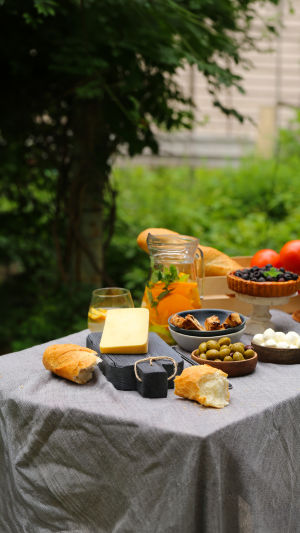
Friends, when was the last time you shared a meal outdoors without checking the time?
Whether it was under a shady tree in a local park or on a blanket beside a quiet lake, a picnic has a way of slowing life down.
Unlike restaurant meals, where service and schedules shape the experience, picnics invite people to participate. Everyone passes dishes, pours drinks, and joins conversations naturally.
That simple act of sharing food in an open space creates a sense of connection that feels surprisingly meaningful. While picnics are often associated with leisure, they also play an important social role.
<h3>Why Shared Meals Feel More Meaningful Outdoors</h3>
Eating together has always been part of human culture. Across different countries and traditions, meals are used to celebrate milestones, welcome guests, and strengthen communities. A picnic builds on this tradition by moving the gathering into a relaxed natural environment.
Without walls, televisions, or constant digital distractions, people tend to focus more on one another. Conversations become less rushed, and moments of silence feel comfortable rather than awkward. Children have space to play, adults can walk between conversations, and everyone participates at their own pace.
The outdoor setting also changes the mood. Fresh air, natural light, and green surroundings have been linked to lower stress levels and improved emotional well-being. When people feel calmer, they are generally more open to conversation, laughter, and meaningful interaction.
<h3>Sharing Food Creates a Sense of Belonging</h3>
One reason picnics feel welcoming is that everyone contributes in some way. A friend might prepare sandwiches, another brings homemade cookies, while someone else packs fruit or drinks. Even small contributions make people feel included.
This shared responsibility creates a stronger sense of belonging than simply ordering individual meals. Passing a bowl of salad or offering someone the last slice of watermelon becomes an act of generosity, even if it seems ordinary.
Many cultures have long recognized that sharing food symbolizes trust and friendship. Eating from the same spread encourages equality because everyone gathers around the same blanket or table without formal seating arrangements. The atmosphere naturally becomes more relaxed and inclusive.
<h3>Conversations Flow More Naturally</h3>
Unlike indoor dinners, picnics rarely follow a strict structure. People can eat slowly, stand up for a short walk, play a game, or simply enjoy the scenery before returning to the group. This flexibility helps conversations develop naturally.
Topics often shift from everyday responsibilities to personal stories, travel memories, hobbies, or future plans. Without the pressure of formal dining etiquette, quieter individuals may feel more comfortable joining discussions.
Families also benefit from this informal setting. Parents and children can prepare food together, organize simple outdoor games, or identify birds and plants nearby. These shared experiences often create stronger memories than a meal eaten quickly indoors.
<h3>Food Becomes a Way to Share Culture</h3>
A picnic is also an opportunity to introduce others to family traditions and cultural heritage. Homemade recipes often carry stories that are just as valuable as the food itself.
Someone may bring a recipe passed down through several generations, while another shares a favorite regional snack from childhood. As people explain ingredients or cooking methods, conversations naturally expand beyond food to family history, travel experiences, and cultural customs.
These exchanges encourage curiosity and appreciation for different backgrounds. Instead of simply tasting something new, people also learn the story behind it, making the experience richer and more memorable.
<h3>Nature Encourages Better Social Interaction</h3>
The environment plays an important role in shaping how people interact. Parks, gardens, beaches, and forests provide open spaces that encourage movement rather than keeping everyone seated in one place.
Groups often alternate between eating, walking, taking photographs, playing frisbee, or watching the sunset. These shared activities create additional opportunities for conversation without feeling forced.
<h3>Simple Picnics Often Leave the Strongest Memories</h3>
A memorable picnic rarely depends on expensive food or elaborate decorations. Fresh sandwiches, seasonal fruit, homemade salads, and cold lemonade are often enough to create a satisfying meal. What people usually remember years later is not the menu itself but the experience surrounding it.
They remember laughing over a game that became unexpectedly competitive, watching children chase butterflies, or staying until sunset because nobody wanted the afternoon to end.
<h3>Making Every Picnic More Enjoyable</h3>
A little preparation helps everyone enjoy the day. Choose foods that travel well and can be served safely outdoors. Bring enough reusable plates, utensils, and drinking water for the group. A large blanket, sunscreen, trash bags, and a few simple games can make the gathering even more comfortable.
Most importantly, encourage everyone to put their phones away for a while. The greatest value of a picnic comes from being fully present with the people around you.
Picnicking is much more than eating outside. It combines shared meals, open conversation, fresh air, and simple activities into an experience that strengthens relationships in ways that busy daily routines often cannot. By slowing down and sharing food, people create opportunities for trust, laughter, and lasting memories.


