

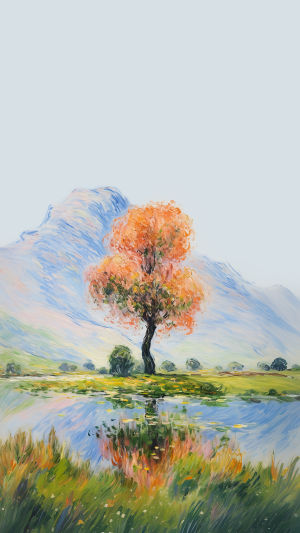
Landscape painting is more than recreating a scenic view—it is an artistic interpretation of nature that captures atmosphere, emotion, and depth.
Through the thoughtful use of composition, color, light, and perspective, artists can transform ordinary landscapes into compelling visual experiences.
Whether painting rolling hills, peaceful lakes, dense forests, or distant mountains, mastering a few fundamental principles helps create artwork that feels vibrant, balanced, and full of life.
<h3>Build a Purposeful Composition</h3>
Every successful landscape begins with a carefully planned composition. Before applying paint, arrange major elements such as trees, mountains, water, and the sky to guide the viewer's eye naturally throughout the painting.
Establish a clear focal point, whether it is a striking tree, a reflective body of water, or a dramatic mountain peak. Supporting elements should complement the main subject, creating visual balance while maintaining a strong sense of movement and harmony.
<h3>Use Color with Intention</h3>
Color shapes the mood and energy of a landscape. Warm tones such as red, orange, and yellow naturally attract attention and introduce warmth, while cool blues and greens evoke calmness, distance, and tranquility.
Rather than reproducing every color exactly as observed, artists often adjust color relationships to strengthen visual impact. Thoughtfully balancing complementary and harmonious colors creates contrast, unity, and greater visual interest without sacrificing a natural appearance.
<h3>Shape Form Through Light</h3>
Light is one of the defining elements of a successful landscape painting. Observing how natural light interacts with landforms, vegetation, and water adds realism while enhancing atmosphere.
Well-placed highlights emphasize surfaces illuminated by light, while carefully observed shadows define form, create dimension, and reinforce spatial relationships. Smooth transitions between light and shadow help produce convincing depth and a cohesive visual experience.
<h3>Create Convincing Depth</h3>
A strong sense of depth encourages viewers to explore every part of a painting. Foreground elements typically appear larger, sharper, and richer in detail, while distant features become softer, lighter, and less defined.
Atmospheric perspective further strengthens this illusion. As distance increases, colors generally become cooler, lighter, and less saturated, allowing mountains and distant landscapes to recede naturally into the background.
<h3>Paint Natural Reflections</h3>
Bodies of water introduce both serenity and movement to a landscape. Effective reflections echo surrounding objects while remaining slightly softer, darker, and less detailed than their sources.
Subtle variations in value, gentle ripples, and restrained color shifts prevent reflections from appearing overly symmetrical, helping water feel natural and visually integrated within the overall composition.
<h3>Express Character Through Brushwork</h3>
Brushwork plays a vital role in shaping the character of a landscape. Broad applications of paint establish the overall composition and major forms, while carefully controlled brush marks add texture and definition to trees, rocks, grasses, and clouds.
Preserving selected brush marks enhances energy and authenticity, giving the painting a natural sense of movement. Varying the direction, scale, and texture of each application creates visual rhythm and strengthens the expressive quality of the landscape.
<h3>Strengthen Skills Through Observation</h3>
Every landscape presents an opportunity to refine artistic observation. Careful attention to changing weather, seasonal conditions, and shifting light reveals subtle variations in color, texture, and atmosphere that enrich a painting.
Regular experimentation with different compositions, color palettes, and painting techniques builds technical confidence while helping artists develop a distinctive visual style rooted in personal observation and creative expression.
Creating vibrant landscape paintings is not simply about recording what nature looks like—it is about communicating how it feels. By combining purposeful composition, expressive color, convincing light, atmospheric perspective, natural reflections, and confident brushwork, artists can produce landscapes that are both visually engaging and emotionally resonant. With consistent observation, thoughtful experimentation, and regular practice, every painting becomes an opportunity to strengthen technical skill, refine artistic vision, and celebrate the richness and beauty of the natural world.


