

Hello Lykkers, are you ready to discover a place where science becomes exciting, creative, and easy to understand?
Today, we are exploring the Príncipe Felipe Science Museum in Valencia, Spain, a fascinating destination where technology, science, and art come together.
Located inside the famous City of Arts and Sciences, this museum offers a different way to learn. Instead of only reading information, we can touch displays, join experiments, watch scientific demonstrations, and discover how science connects with our daily lives. It is a wonderful choice for families, curious travelers, and anyone who enjoys exploring new ideas.
Museo de las Ciencias Príncipe Felipe
<h3>A Futuristic Building Inspired by Nature</h3>
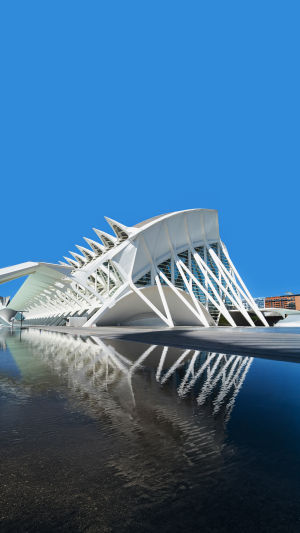
Before we enter the museum, we can already feel its special atmosphere. Designed by architect Santiago Calatrava, the building looks like a huge whale skeleton floating beside the water. Its giant white curves, glass walls, and open spaces create a futuristic feeling.
The museum itself is a combination of architecture, engineering, and art. For us, the visit begins outside because the building provides many beautiful photo opportunities before we even explore the exhibitions.
The museum is located in the City of Arts and Sciences area of Valencia, making it easy to combine with nearby gardens, cultural attractions, and walking routes.
<h3>Ticket Prices and Admission Details</h3>
Science Museum tickets cost about $10 for standard admission and $8 for reduced admission. Children under 4 enter free, and children aged 4 to 12, seniors, and visitors with approved documents may qualify for reduced prices. A visit usually takes about 3 hours, or longer if you want to try all the interactive activities. If you plan to visit more attractions in the City of Arts and Sciences, a combined ticket may save money.
<h3>Opening Hours Information</h3>
The museum’s opening hours usually run from 10:00 AM to 7:00 PM in the low season and from 10:00 AM to 9:00 PM during the high season and summer period. It generally opens every day, although the schedule may change during holidays or special events. For the best experience, it is a good idea to arrive around opening time, since morning visits are usually more comfortable with fewer visitors and a more relaxed pace in the interactive areas.
<h3>Transportation Guide and Costs</h3>
Getting to the Science Museum is convenient from different parts of Valencia.
<b>By Bus:</b>
Local buses are one of the easiest ways to get there, and the journey from the city center usually takes about 20 to 30 minutes. A single bus ticket costs around $2, though some visitors may prefer to use a travel card if they plan to take public transportation several times.
<b>By Taxi:</b>
A taxi from central Valencia usually takes around 10 to 15 minutes. The estimated cost is about $15 to $20, depending on traffic and your starting location.
<b>By Car:</b>
Driving is convenient for travelers carrying luggage or visiting with family. Nearby parking areas usually charge around $2 to $3 per hour, with a maximum daily cost of about $25.
<h3>Exploring the Museum Exhibitions</h3>
The first floor is a great starting point for our science adventure. Here, we can discover science through interactive activities, models, and experiments.
One of the most impressive displays is a large artistic structure inspired by DNA, showing the connection between science and creativity. We can also see the famous Foucault pendulum, which demonstrates the movement of the Earth.
The climate exhibition introduces environmental topics through pictures, videos, and interactive displays. It helps visitors understand scientific information in a simple and visual way.
<h3>Science History and DNA Discoveries</h3>
On the second floor, we can explore the history of scientific discoveries. Through videos, timelines, and educational displays, we learn how researchers developed new ideas and expanded human knowledge.
The third floor features the impressive “Chromosome Forest,” a large exhibition space focusing on DNA science. Through creative designs and interactive experiences, we can learn about genetic research and modern scientific progress.
This area is especially interesting because it transforms complex scientific topics into something easier for visitors to understand.
<h3>Space Experiences and Family Activities</h3>
The museum also includes exhibitions related to space exploration. Through simulation activities, we can learn how space missions are prepared and how technology helps humans explore beyond Earth.
There are also sections connecting science with sports, showing how scientific knowledge helps us understand movement and physical performance.
For families, this museum is a wonderful destination because children can learn while having fun. Many areas encourage visitors to participate instead of simply watching.
<h3>Best Time to Visit Valencia Science Museum</h3>
The best time for us to visit Valencia is during spring and autumn. From March to May, the weather is comfortable and makes it especially pleasant to walk around the City of Arts and Sciences.
From September to November, the climate is mild and there are fewer crowds than during busy holiday periods. Summer can be warmer, so it is best to visit in the morning. Weekdays are usually quieter than weekends, giving us more space and time to enjoy the exhibitions.
<h3>Accommodation Near the Museum</h3>
Staying near the Science Museum allows us to explore the area easily. Hotel Valencia Center starts from about $70 per night, NH Valencia Las Artes starts from about $82 per night, Hotel Medium Valencia starts from about $94 per night, and The Westin Valencia starts from about $164 per night. The City of Arts and Sciences area is especially convenient because we can walk to attractions, restaurants, and green spaces. Staying in central Valencia is also a good option since transportation is simple.
<h3>Dining Options and Travel Food Budget</h3>
After visiting the museum, we can enjoy nearby cafes and restaurants. For example, Sidewalk Cafe is a simple option for coffee, pastries, or a light sandwich, while Restaurante Elbar is a good place for dishes like grilled fish or seafood rice, and the Submarine Restaurant offers meals such as paella, pasta, or a fresh salad. A daily food budget of about $30 to $50 per person is usually enough.
<h3>Useful Tips for Visitors</h3>
We should plan for about 3 to 4 hours at the museum, since it is quite large and rushing could make us miss some interesting sections. Comfortable shoes are a good idea because we will be walking through several exhibition areas. It is also worth bringing a camera, as both the building design and the surrounding area are great for photos.
If we have extra time, we can visit nearby attractions too, because the City of Arts and Sciences area can easily fill a full day. Before going, we should also check event information, since special exhibitions and activities may change throughout the year.
<h3>Our Science Journey Ends Here</h3>
Lykkers, the Príncipe Felipe Science Museum gives us more than a simple museum visit. It allows us to explore science through creativity, technology, and hands-on experiences.
From the amazing whale-like building to fascinating displays about DNA and space, every area invites us to stay curious and discover something new.
When we travel, the most memorable places are often those that inspire our imagination. Would you like to add this incredible science destination to your Valencia travel plan? Share your thoughts with us, and let’s continue exploring the world together!
City of Arts and Sciences - Museo de las Ciencias Príncipe Felipe [Valencia Video Travel Guides]
Video by Northleg


